Understanding CNC Machining and its Importance
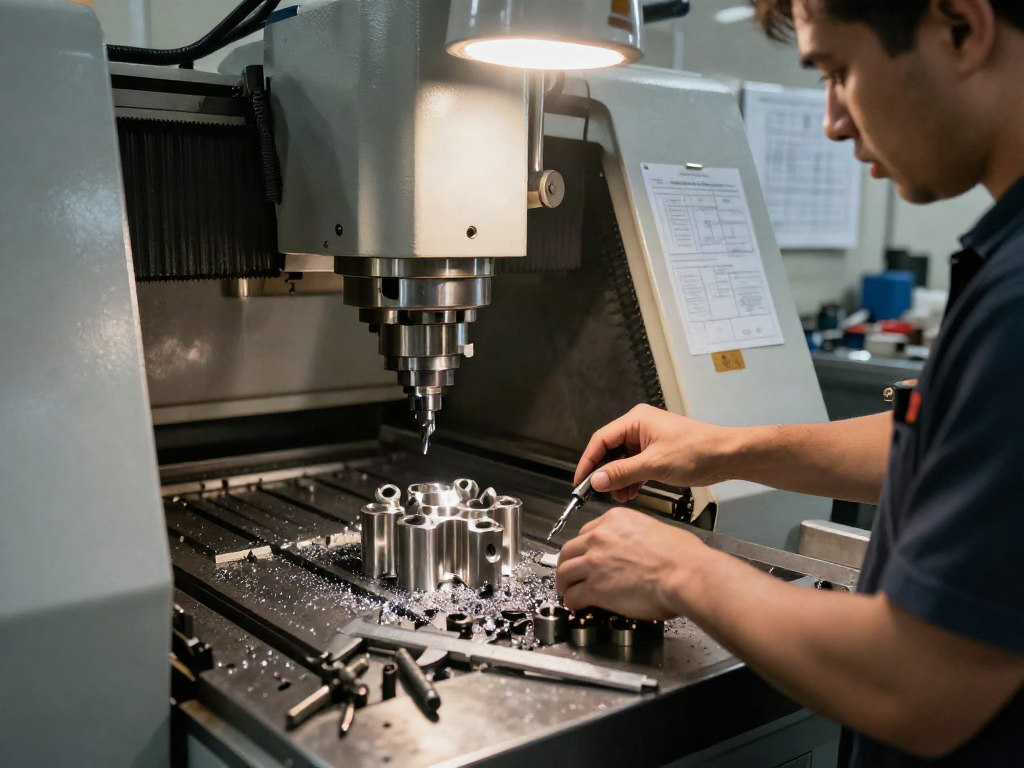
CNC machining has revolutionized the manufacturing landscape, offering precision and efficiency like never before. The process utilizes computer-controlled machines to shape and cut materials with high accuracy. Among various materials, stainless steel stands out due to its unique properties that enhance the functionality and longevity of different components. When exploring options, cnc machined stainless steel parts are gaining significant traction across multiple industries due to their durability and adaptability.
What is CNC Machining?
CNC (Computer Numerical Control) machining refers to the use of computers to control machining tools, such as lathes, mills, and routers. This technology allows for complex shapes to be produced with precision and repeatability, making it an ideal choice for producing high-quality components. CNC machining can handle various materials, but stainless steel is particularly favored for its strength, corrosion resistance, and aesthetic appeal.
The Role of CNC Machined Stainless Steel Parts in Industry
Stainless steel is a versatile material used widely in industries requiring strength and resistance to heat and corrosion. CNC machined stainless steel parts play a critical role in sectors such as automotive, aerospace, and medical devices. The ability to create intricate designs with precise dimensions makes them invaluable in applications where safety and performance are paramount.
Benefits of Using Stainless Steel in Manufacturing
- Corrosion Resistance: Stainless steel inherently resists oxidation and corrosion, making it ideal for use in environments exposed to moisture and chemicals.
- Strength and Durability: Stainless steel provides excellent mechanical properties, ensuring longevity and reliability in demanding applications.
- Ease of Fabrication: The material is easily machined and formed, allowing for complex part designs without compromising structural integrity.
- Aesthetic Appeal: Stainless steel offers a clean, modern look, making it suitable for consumer products and visible components.
Common Applications of CNC Machined Stainless Steel Parts
Industries Utilizing CNC Machined Parts
CNC machined stainless steel parts find applications in various sectors due to their unique properties. Industries such as automotive, aerospace, medical, and food processing rely on these components for enhanced performance and reliability. For example, in the automotive industry, precision-engineered stainless steel parts are crucial for manufacturing complex assemblies that require meticulous tolerances.
Case Study: Applications in Medical Devices
The medical industry benefits significantly from CNC machined stainless steel parts due to their biocompatibility and strength. Surgical instruments, implants, and diagnostic equipment are often manufactured from stainless steel, ensuring that they can withstand sterilization processes while maintaining structural integrity.
Examples in Aerospace and Defense
The aerospace sector utilizes stainless steel components for their lightweight and durable characteristics. CNC machined parts are integral in aircraft structures, engine components, and landing gear. In defense, the reliability and strength of these parts are crucial for ensuring the safety and functionality of military equipment.
Best Practices for Outsourcing CNC Machining
Choosing the Right Manufacturing Partner
When seeking a manufacturing partner for CNC machined stainless steel parts, it is essential to assess their capabilities and experience. Consider factors such as equipment quality, expertise in specific materials, and proven track records in your industry. A good partner should also offer flexibility in terms of order size and production timelines.
Specifications for Quality CNC Machined Stainless Steel Parts
Quality specifications for CNC machined parts include tolerances, surface finish, and material properties. Clear communication of these requirements to your manufacturer can prevent costly mistakes and ensure that the final product meets your standards. Regular quality checks throughout the production process are also advisable.
Ensuring Compliance and Standards in Production
Adherence to industry standards and regulations is critical in manufacturing. Ensure that your CNC machining partner complies with relevant certifications such as ISO 9001, which reflects a commitment to quality management principles. This compliance not only ensures safety and reliability but also enhances the reputation of your products in the market.
Optimization Techniques for CNC Machining
Utilizing CAD/CAM for Enhanced Designs
Computer-Aided Design (CAD) and Computer-Aided Manufacturing (CAM) software play pivotal roles in optimizing CNC machining processes. CAD allows designers to create detailed models, while CAM software translates these models into instructions that the CNC machines can execute. This integration can significantly reduce errors and improve production efficiency.
Cost-Effective Strategies in Production
Cost management is crucial in CNC machining. Implementing lean manufacturing principles, such as reducing waste and optimizing workflow, can help lower expenses. Additionally, selecting materials wisely and leveraging automation technologies can further enhance cost-effectiveness without compromising quality.
Future Trends in CNC Machining Technology
As technology evolves, several trends are emerging in the CNC machining landscape. Additive manufacturing integration, advanced robotics, and artificial intelligence are set to revolutionize production methods. These innovations promise to increase efficiency, reduce lead times, and enable the manufacture of more complex geometries than ever before.
Measuring Success in CNC Machining Projects
Key Performance Indicators for CNC Machined Parts
To evaluate the success of CNC machining projects, it is essential to establish Key Performance Indicators (KPIs). Metrics such as production time, defect rates, and customer satisfaction can provide clear insights into the efficiency and quality of the machining process.
Customer Feedback and Continuous Improvement
Engaging with customers and gathering feedback is vital for continuous improvement. Implementing a system for tracking customer satisfaction and addressing issues proactively can enhance your product offerings and foster long-term client relationships.
Preparing for Future Innovations in 2026 and Beyond
As the industry continues to evolve, staying ahead of innovations will be crucial for sustained success. Companies must remain adaptable, investing in new technologies and training for their workforce to keep pace with advancements in CNC machining and manufacturing.
What are the benefits of CNC machining stainless steel parts?
The benefits of CNC machining stainless steel parts include unparalleled precision, reduced lead times, and the ability to create complex geometries that enhance product functionality. Additionally, the robust nature of stainless steel contributes to the durability and longevity of the manufactured parts.
How do I choose a CNC machining service?
When selecting a CNC machining service, review their experience, technology capabilities, and customer testimonials. Ask for samples of previous work and inquire about their quality assurance processes to ensure that they can meet your specific requirements.
What industries use CNC machined stainless steel parts?
Industries that commonly utilize CNC machined stainless steel parts include automotive, aerospace, medical devices, food processing, and consumer products. Each of these sectors benefits from the strength, durability, and corrosion resistance of stainless steel components.
What should I consider for quality assurance in CNC machining?
For effective quality assurance in CNC machining, establish clear specifications for materials, tolerances, and finishes. Regular inspections and testing throughout the machining process are essential to ensure compliance with these standards, along with documentation of quality checks.
Are there new trends in CNC machining technology?
New trends in CNC machining technology include increased automation, greater use of additive manufacturing, and the integration of IoT (Internet of Things) technologies for real-time monitoring and data collection. These advancements promise to enhance efficiency, quality, and overall production capabilities.