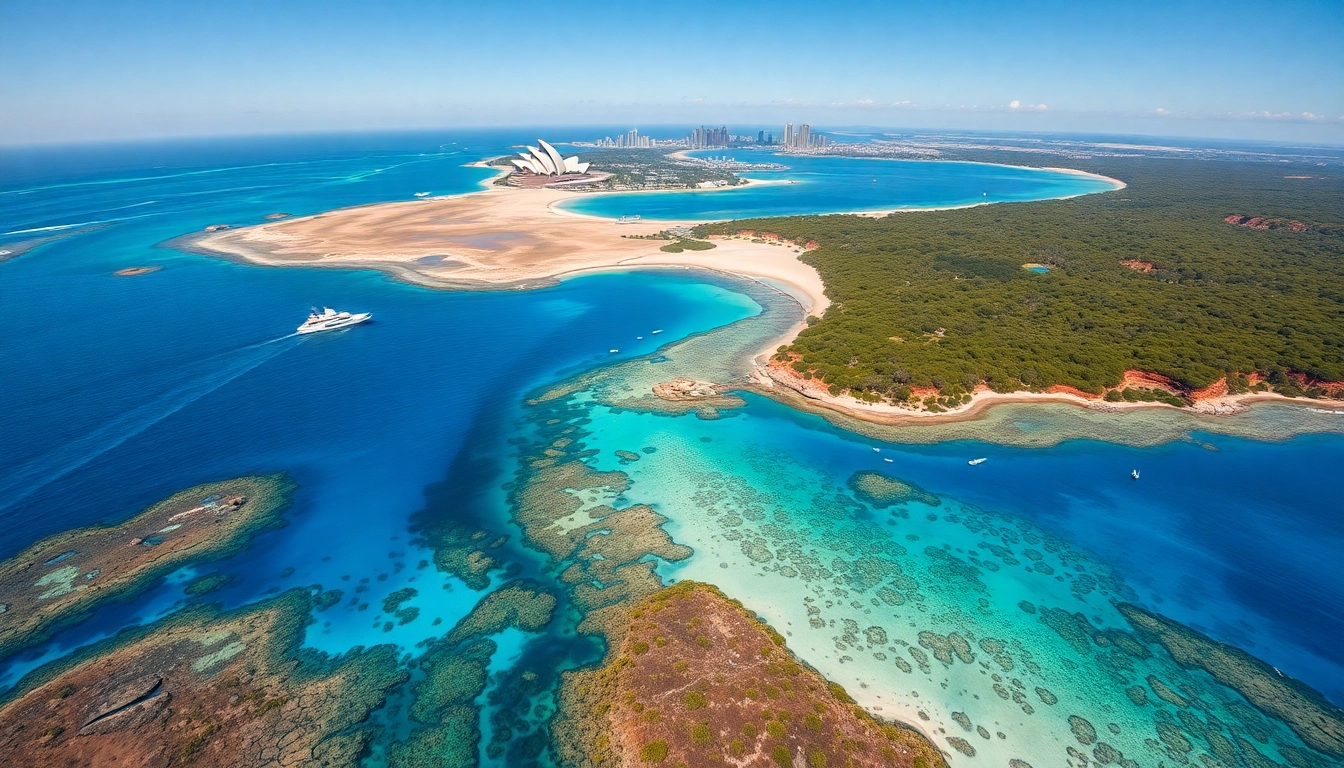
Introduction to Australia: A Diverse Landscape
Australia, often referred to as down under, is a vast and stunning continent that boasts a unique combination of breathtaking landscapes, vibrant cities, and rich cultural heritage. As the world’s smallest continent yet the sixth-largest country by total area, this diverse land is known for its breathtaking beaches, rugged mountains, expansive deserts, and the iconic outback. Beyond its geographical marvels, the Australia way of life and its people define its essence, creating a tapestry woven with varied cultures, traditions, and experiences. In this article, we will explore the geography, climate, culture, economy, and practical tips for visiting Australia.
Defining Australia's Geography
Australia features an array of geographical landscapes, ranging from coastal regions to dry deserts. The continent is surrounded by the Indian and Pacific Oceans, with stunning coastlines that host some of the world's most beautiful beaches like Bondi and Whitehaven. The Great Barrier Reef, the planet’s largest coral reef system, lies off the northeast coast of Queensland, providing a home to an astonishing array of marine life and is a UNESCO World Heritage site.
The interior of Australia, commonly referred to as the outback, is characterized by arid lands and bushland that cover vast stretches of the country. Central Australia is home to Uluru, an iconic sandstone monolith, sacred to indigenous cultures. The varying topography includes mountain ranges like the Great Dividing Range, which runs along the eastern coastline and offers excellent hiking and adventure opportunities.
Climate Variations Across Australia
Australia’s climate is equally diverse, significantly impacted by its geographical layout and proximity to oceanic bodies. The northern parts of the country experience a tropical climate, featuring hot and humid summers, while the south enjoys a more temperate climate with distinct seasons.
In the interior regions, the climate can be classified as desert, with extremely high temperatures in summer and significantly cooler winters. The coastal areas generally benefit from milder temperatures, making them ideal for year-round tourism.
Understanding the climate variations is essential for visitors planning their trips, as it can determine the best time to explore particular regions. From the sunny beaches of Queensland in summer to the cooler allure of Tasmania in winter, Australia offers something for every type of traveler.
Unique Flora and Fauna of Australia
Australia is renowned for its unique flora and fauna, boasting some of the most biodiversity on the planet. The continent is home to a plethora of species that are not found anywhere else in the world. Iconic animals like the kangaroo, koala, and Tasmanian devil inhabit the diverse ecosystems that range from deserts to rainforests.
The eucalyptus tree, emblematic of Australia, dominates the landscape, aided by a variety of endemic plants that have adapted to the unique climatic conditions. Furthermore, Australia's marine life, particularly in the Great Barrier Reef, exhibits an extraordinary range of species, including colorful corals, fish, and sea turtles, making it a popular destination for snorkeling and diving enthusiasts.
Culture and Society in Australia
The cultural landscape of Australia reflects its long history and influences from indigenous peoples, immigration, and globalization. Australia's identity melds together traditional ways of life with modern societal values.
Multiculturalism in Australia
Australia stands out as one of the most multicultural nations globally. This is evident in its communities, cuisines, and festivals. Over a quarter of Australia's population is born overseas, making it a melting pot of cultures, languages, and traditions. Cities like Sydney and Melbourne are vibrant hubs of cultural diversity, where one can experience a multitude of global cuisines, arts, and cultural festivals throughout the year.
Australia's multicultural policy fosters equality and celebrates diversity, allowing residents to maintain their cultural heritage while integrating into Australian society. This enriches the national culture and supports harmonious coexistence among varied ethnic communities.
Indigenous Culture and Heritage
The indigenous cultures of Australia are among the oldest living cultures in the world, with a history that dates back over 65,000 years. Indigenous Australians have a profound spiritual connection to the land, which is reflected in their art, music, and dance. Dreamtime stories, an intrinsic part of Aboriginal culture, illustrate the creation of the land and its people.
Recent decades have seen a resurgence in the recognition and appreciation of indigenous heritage, leading to a greater awareness among the broader Australian population. The inclusion of indigenous perspectives in education, promotion of cultural events, and initiatives supporting indigenous communities continue to bridge gaps and heal historical wounds.
Modern Australian Values and Society
Modern Australian society values democracy, freedom, and egalitarianism, with strong emphasis placed on fair treatment and human rights. Australian values are shaped by its history, marked by acceptance and non-discrimination irrespective of race, gender, or religion.
Education and healthcare play significant roles in Australia’s social fabric, contributing to high living standards. Australians also value outdoor activities and maintain a strong affinity for sports, with Australian rules football, cricket, and rugby among the most popular. The laid-back lifestyle associated with Australia encourages a healthy work-life balance, further enhancing quality of life.
Travel Tips for Visiting Australia
Visiting Australia requires some planning to ensure a rewarding experience. From understanding the culture to navigating logistics, insightful travel tips can enhance your journey.
Essential Sites to Include in Your Itinerary
Australia is replete with attractions that cater to diverse interests. Major cities like Sydney, Melbourne, Brisbane, and Perth offer a variety of urban experiences, from iconic landmarks such as the Sydney Opera House and the Great Ocean Road to vibrant arts scenes and culinary delights.
In addition to the cities, natural wonders are a must-see. The Great Barrier Reef's diving adventures, exploring the Red Centre's Uluru, and hiking in national parks like the Blue Mountains and Daintree Rainforest can provide unforgettable experiences. Each destination offers its unique charm and characteristics that define the essence of Australia.
Navigating Transportation in Australia
Australia is a vast country, which can present challenges regarding transportation. However, the public transportation systems in major cities are efficient, offering bus, train, and tram services that are affordable and convenient. For long distances, domestic flights are a popular choice, connecting major cities and regions quickly.
For a more intimate experience of the stunning landscapes, consider renting a car or utilizing guided tours. Many scenic drives, such as the Great Ocean Road and the Pacific Coast Highway, provide breathtaking views of Australia’s diverse geography.
Best Times to Visit Australia
The ideal time to visit Australia largely depends on the regions you plan to explore. The southern regions, including Melbourne and Sydney, are best visited from late spring (October - November) to early summer (December - February), offering warm and festive weather.
The northern parts, particularly Queensland, are pleasant between May and October when humidity is lower, while tropical northern regions are optimal in winter months. Each season offers distinct experiences, so visitors should align their plans with local climate variations.
Economy and Industries in Australia
Australia's economy is strong, stable, and rooted in a market-based framework. The dynamic growth of various industries shapes the nation’s economic landscape.
Overview of the Australian Economy
Australia's wealth is derived from its resource-rich geography, supported by a well-developed financial system. It is one of the world's leading exporters of natural resources, including coal, iron ore, and natural gas. The GDP growth has been consistently positive, with services accounting for the majority of economic activity.
The economic stability has allowed for a high standard of living, marked by accessible healthcare and education, which are regarded as top-tier globally. The government implements policies to sustain long-term growth, focusing on innovation and diversification.
Key Industries Driving Growth
Several key industries contribute to Australia’s economic dynamism. Mining remains a pillar, as it provides substantial export revenues. The agriculture sector, with products like wheat, beef, and wine, plays a crucial role in both domestic consumption and international trade.
Tourism is another pivotal industry, attracting millions of visitors each year. The country's diverse landscapes, unique wildlife, and cultural heritage position Australia as a premier travel destination. Furthermore, technology and education sectors have witnessed significant growth, with many Australians participating in the global digital economy.
Job Market Insights in Australia
The job market in Australia is competitive yet promising, with opportunities spread across various sectors. The unemployment rate is relatively low, suggesting healthy demand for skilled labor. Workers should focus on areas experiencing skill shortages, such as healthcare, engineering, and information technology.
Job seekers may benefit from understanding regional differences in job availability, as metropolitan areas tend to offer more opportunities than rural regions. Networking and utilizing online platforms effectively is also crucial for successful job hunting in Australia.
Frequently Asked Questions about Australia
What is the capital of Australia?
The capital of Australia is Canberra, located in the Australian Capital Territory (ACT). It was selected as a compromise between Sydney and Melbourne when Australia became a federation.
What is the currency used in Australia?
The official currency of Australia is the Australian Dollar (AUD), often denoted as A$ or simply $ to distinguish it from other dollar-denominated currencies.
Is Australia safe for tourists?
Yes, Australia is generally considered safe for tourists. It has a low crime rate, and standard travel precautions, such as being aware of surroundings, are recommended to ensure a safe experience.
How do I apply for a visa to Australia?
You can apply for an Australian visa online through the Department of Home Affairs website. Depending on your nationality, required documents, and purpose of visit, various visa types are available.
What are the must-try foods in Australia?
Must-try foods include Vegemite (spread), meat pies, Tim Tams (chocolate biscuits), pavlova (dessert), and fresh seafood. Indigenous ingredients like wattleseed and bush tomatoes also feature prominently in modern Australian cuisine.