Understanding Bed Bugs and Their Behavior
What Are Bed Bugs?
Bed bugs are small, reddish-brown insects that feed exclusively on the blood of humans and other warm-blooded animals. They belong to the family Cimicidae and are scientifically classified as Cimex lectularius. Typically, adult bed bugs are about the size of an apple seed, measuring approximately 4-5 mm in length. Their flat bodies and ability to hide in small crevices make them particularly challenging to detect and eliminate. Infestations are commonly found in homes, hotels, and public transportation, often hitching rides in luggage, clothing, or used furniture.
Signs of Infestation
Identifying bed bugs early is crucial for effective control. Signs of a bed bug infestation may include:
- Visible Bugs: Actual bed bugs can be seen crawling on bedding, walls, or furniture.
- Blood Stains: Tiny blood spots may appear on sheets or mattresses, indicating feeding.
- Dark Spots: Fecal stains are often found in crevices and seams of mattresses.
- Eggs: Bed bug eggs are tiny (about 1 mm) and can be hard to spot; they are usually found in hiding places.
- Whispering Sounds: While rare, the movement of a large number can sometimes be heard.
Bed Bug Life Cycle
Understanding the life cycle of bed bugs is key to effective treatment. Bed bugs go through five nymphal stages before reaching maturity. Each stage requires a blood meal to proceed to the next. Under optimal conditions, from egg to adult can take as little as 21 days. The life stages of bed bugs are as follows:
- Egg: A female can lay up to 500 eggs in her lifetime, which hatch in about 1-2 weeks.
- Nymph: Nymphs look like miniature adults and go through five molts, needing a meal between each stage.
- Adult: After reaching maturity, adult bed bugs can live several months without feeding and can reproduce quickly.
Preparing for Bed Bug Treatment
Initial Steps to Take
Before initiating any treatment for bed bugs, a comprehensive action plan is necessary. Begin by determining the extent of the infestation, which may involve inspecting at-risk areas like mattresses and upholstered furniture. Following this, it’s essential to establish a treatment strategy, which can be chemical, thermal, or a combination. Additionally, many experts recommend consulting with pest management professionals for a coordinated effort.
Cleaning and Decluttering
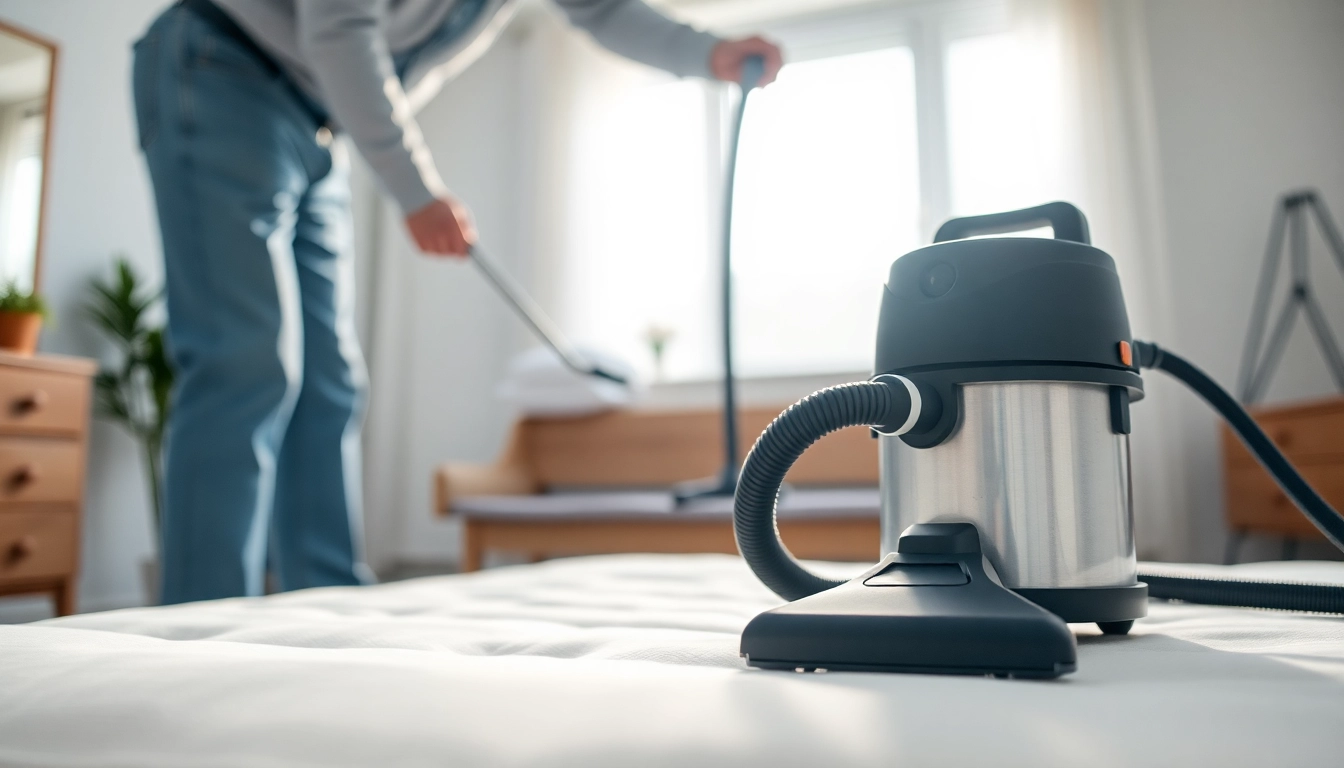
A crucial step in bed bug treatment is cleaning and decluttering your living space. Begin by disassembling beds and moving furniture away from walls. Vacuum thoroughly, focusing on seams, baseboards, and furniture. Bag and dispose of all infested materials responsibly to reduce the risk of spreading. Laundering bedding, clothes, and any fabric items using hot water and high heat drying is also essential to kill bed bugs at all life stages.
Informing Residents and Neighbors
Awareness plays a vital role in managing bed bug infestations. Notify residents and neighbors, particularly in multi-unit dwellings. Sharing information can facilitate coordinated treatment efforts and help prevent further spread. Encourage an open line of communication about signs of bed bugs among neighbors to stay proactive about the situation.
Types of Bed Bug Treatment Methods
Chemical Treatments
Chemical treatments involve using insecticides to kill bed bugs. Different classes of insecticides exist, including pyrethroids, neonicotinoids, and insect growth regulators. It's critical to select products specifically labeled for bed bug use. Professional pest control will often apply these chemicals, ensuring safety and effectiveness. Homeowners may attempt some DIY treatments but should exercise extreme caution, as over-reliance or misuse can lead to chemical resistance in bed bug populations.
Heat Treatments
Heat treatment is a highly effective and environmentally friendly method of treating bed bugs. This involves raising the temperature of infested areas to a lethal level (around 120°F or higher) for a sustained period. This method has the advantage of penetrating into walls and furniture where chemicals may not reach. However, professional equipment is usually needed, and care must be taken to prevent heat damage to belongings.
Natural Remedies and Prevention
Natural treatments, such as diatomaceous earth, essential oils, or even steam cleaning, can be effective as part of a comprehensive treatment plan. While these methods are usually less toxic than chemical alternatives, their effectiveness may vary. Prevention also plays a significant role in averting future infestations—practices such as regular cleaning, monitoring, and using protective covers for mattresses can help. Keeping clutter to a minimum and being cautious when bringing used items into the home can also mitigate risks.
Post-Treatment Guidelines
Monitoring for Remaining Bed Bugs
After treatment, it’s important to monitor for any remaining signs of bed bugs. Regular inspection of bedding, carpets, and furniture is vital. Homeowners should also consider using interceptors or bed bug monitors to trap and detect any survivors. It may take multiple rounds of treatment to fully eliminate an infestation; thus, this vigilance should last for several weeks following the treatment.
Long-term Prevention Strategies
To prevent future infestations, long-term strategies must be employed. Regularly inspect for any signs of bed bugs and practice good hygiene by frequently washing bedding and clothes in hot water. Consider employing protective encasements for mattresses and box springs, and educate all residents in identifying signs of these pests. Additionally, maintaining order in living spaces can deter re-infestation, as clutter provides hiding spots for bed bugs.
When to Seek Professional Help
If a bed bug infestation persists despite home treatment efforts, it’s vital to seek professional help. Reputable pest control services will have the expertise and tools necessary to address severe infestations effectively. Hiring professionals may also save homeowners time and stress, providing peace of mind that the job will be done correctly.
Common Questions About Bed Bug Treatment
How Quickly Can Bed Bugs Be Eliminated?
The timeframe for eliminating bed bugs varies significantly based on the infestation's severity and the treatment method used. In many cases, complete eradication may take several weeks to a few months, often requiring multiple treatments.
Are Home Remedies Effective?
Home remedies can provide short-term relief but may not eliminate bed bugs entirely. It is often recommended to combine such methods with professional treatments for effective eradication.
What to Expect After Treatment?
After treatment, some bed bug activity may still be observed. Visual inspections for a few weeks afterward are crucial, as residual bugs may remain. Multiple treatments might be necessary for complete eradication.
What Can I Do to Avoid Infestations?
Preventing infestations involves regular vigilance and maintenance. Inspect and clean persistent hiding places, such as luggage after traveling, and use encasements for mattresses.
Is Professional Treatment Always Necessary?
While DIY methods can work for small infestations, professional treatment is often needed for larger and more stubborn infestations. Experts have access to more effective treatments and strategies for complete eradication.
For comprehensive bed bug treatment, relying on both professional and preventive measures will ensure both immediate relief and long-term peace of mind.