Understanding House Washing
What is House Washing?
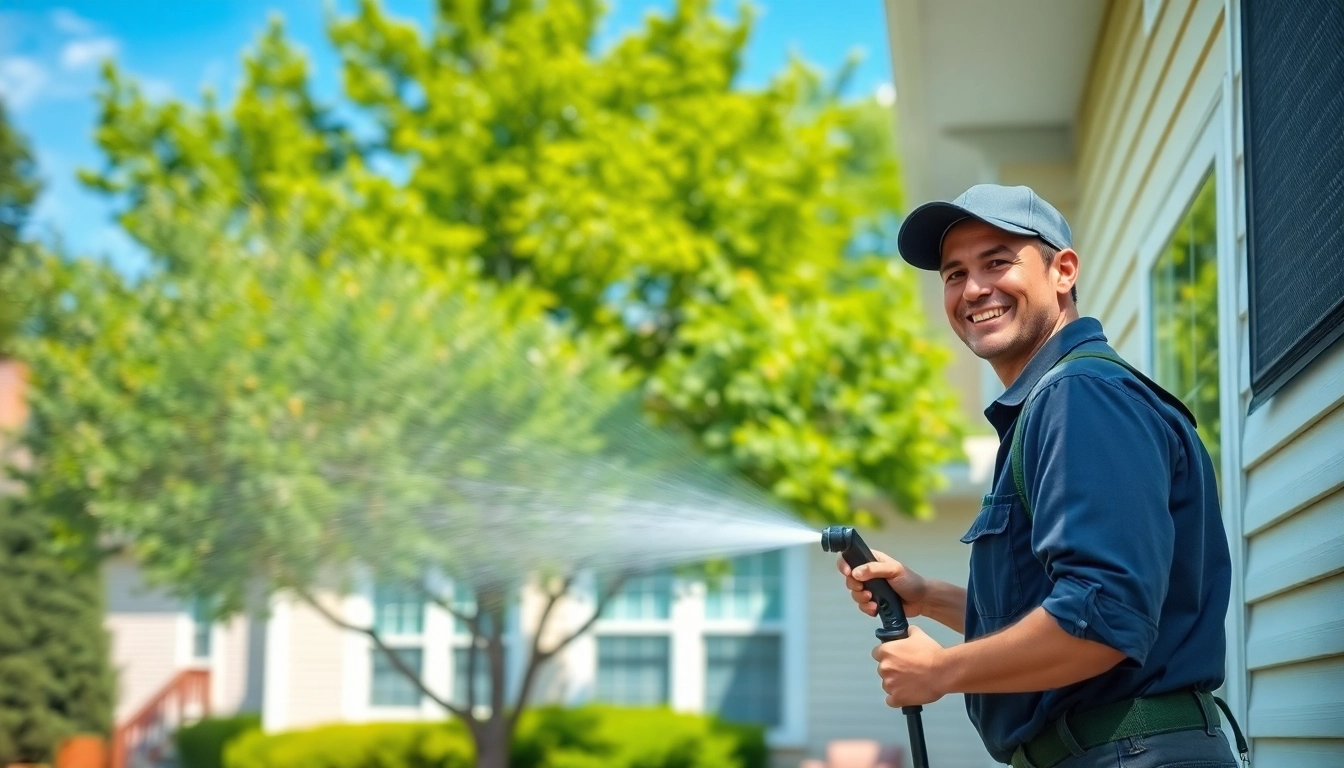
House washing refers to the process of cleaning the exterior surfaces of a home to remove dirt, grime, mold, mildew, and other contaminants. This cleaning can be executed through various techniques, including pressure washing, soft washing, and manual scrubbing. While pressure washing employs high-pressure water jets to blast away dirt, soft washing uses a gentler approach that relies on specialized cleaning solutions to break down the contaminants. The main goal of house washing is to restore the home’s curb appeal and extend its lifespan by preventing decay and rot caused by organic growth and dirt buildup. In areas like St. Cloud, Florida, where humidity levels are high, regular house washing becomes crucial to maintaining a home's exterior condition. Effective House Washing not only enhances aesthetics but also supports long-term property value.
Benefits of Regular House Washing
Regular house washing offers numerous advantages, both aesthetically and functionally. One of the primary benefits is enhanced curb appeal, as a clean exterior makes a significant difference in how a home is perceived. Curb appeal can influence everything from the daily joy of living in a space to the value during resale.
Moreover, routine washing prevents damage caused by mold, mildew, and lichen. These organisms thrive in humid environments and can deteriorate surfaces if left unchecked. By regularly removing organic growth, homeowners can avoid costly repairs down the line.
Additionally, house washing helps maintain property value. When potential buyers see a home that looks fresh and well-cared-for, they are more likely to consider making an offer at or above the asking price. Lastly, a clean exterior can also improve the health of the household by reducing allergens and contaminants that often accumulate on surfaces.
Common Misconceptions about House Washing
House washing is often surrounded by misconceptions that can lead to inadequate maintenance or even damage. One of the most common myths is that house washing is an unnecessary expense. On the contrary, investing in regular cleaning can save money by preventing future damages.
Another misconception is that pressure washing is suitable for all surfaces. While it is effective on concrete and brick, using high-pressure water can damage wood siding and roofs, which is where soft washing becomes vital.
Additionally, many homeowners believe that house washing can be executed during any season. This is not true; cold weather can hinder the effectiveness of cleaning solutions and even risk freezing the water used in the process. Understanding these misconceptions can help homeowners prioritize effective cleaning strategies.
Choosing the Right House Washing Methods
Soft Washing vs. Pressure Washing
Choosing between soft washing and pressure washing is a critical decision that depends on the type of surface and the nature of the dirt or contaminant. Soft washing involves applying a cleaning solution that is safe for sensitive surfaces, allowing the solution to sit and break down organic material before rinsing it away with low-pressure water. This method is particularly effective on roofs, painted surfaces, and delicate materials, minimizing the risk of damage.
Conversely, pressure washing utilizes high-pressure water jets to remove stubborn grime, dirt, and stains. This method is efficient for hard surfaces like concrete driveways, brick walls, and unpainted areas. When conducted by professionals, pressure washing can rejuvenate surfaces quickly, though caution must always be exercised to prevent any collateral damage to fragile exteriors.
Eco-Friendly House Washing Solutions
With a growing emphasis on sustainability, many homeowners are seeking eco-friendly house washing solutions. These methods often utilize biodegradable cleaning agents that effectively tackle dirt and biological growth without harming the ecosystem. Such products are typically derived from plant-based ingredients and are effective in breaking down mold and mildew.
Additionally, equipment used in eco-friendly house washing often features low-water usage technology. By combining advanced technologies with eco-conscious cleaning solutions, homeowners can maintain the condition of their properties while respecting the environment.
When to Use Different Techniques
Knowing when to use soft washing versus pressure washing is key to achieving the best results. Soft washing should be employed for delicate surfaces such as roofs, painted wood siding, and any materials prone to damage from high pressure. It also excels in cases where organic growth has settled into the material, requiring a gentler approach.
Pressure washing, however, shines in cleaning tough surfaces like driveways, patios, and sidewalks where dirt, grease, and stains have accumulated. It is also an effective option for removing paint or graffiti from walls, refreshing the surface without damaging the underlying material.
Preparing for House Washing
Assessing Your Home's Needs
Conducting a thorough assessment of your home’s exterior is the first step in preparing for house washing. Begin by inspecting the surfaces for visible signs of dirt, mold, or discoloration. Pay special attention to shaded areas where mold and mildew may thrive.
Consider the type of material your home is constructed from, as this will determine the proper washing method. For instance, homes with stucco or wood siding will require a gentler touch, whereas brick or concrete can withstand harsher treatment.
It is also wise to inspect seasonal changes that may have impacted your home, such as pollen in spring or algae growth after a rainy season. Evaluating these factors will ensure that your house washing strategy is tailored to address specific needs.
Gathering Necessary Equipment
If you decide to undertake house washing yourself, assembling the right equipment is crucial for achieving effective outcomes. For pressure washing, you will need a pressure washer, nozzles with varying pressure levels, an extension wand for hard-to-reach areas, and surface cleaners for large flat areas.
For soft washing, invest in a garden sprayer, a ladder for difficult spots, and eco-friendly cleaning solutions tailored to your home’s materials. Additionally, safety gear is imperative—rubber gloves, goggles, and masks should be worn to protect yourself from the cleaning chemicals.
Safety Precautions During House Washing
Safety should always be a priority when house washing. Begin by ensuring there are no electrical hazards; avoid spraying directly on outlets or exposed electrical wires. When using ladders, check for stability and be sure someone is nearby to assist if needed.
Wear protective clothing to safeguard against splashes from cleaning solutions, and avoid cleaning during inclement weather such as windy or rainy conditions, as this can lead to dangerous circumstances and ineffective washing.
DIY House Washing Guide
Step-by-Step House Washing Process
For those inclined to undertake house washing themselves, following a systematic approach can yield satisfying results:
- Preparation: Remove any outdoor furniture, decorations, or items that might obstruct your washing efforts.
- Choose a Cleaning Solution: Depending on the surface, select an appropriate cleaning solution, whether it be a detergent for pressure washing or biodegradable soap for soft washing.
- Apply the Solution: Using a sprayer, apply the cleaning solution to the areas that need attention, allowing it to sit for approximately 10-15 minutes to break down grime.
- Washing: Use a pressure washer or a gentle water hose to rinse the cleaned surfaces, starting from the top and working downwards to ensure even cleaning.
- Final Inspection: After washing, inspect the cleaned areas for any remaining stains or missed spots, and touch up as necessary.
Best Practices for Effective Cleaning
To optimize your house washing experience, consider these best practices:
- Always test a small, inconspicuous area before applying cleaning solution to the entire facade.
- Work in sections to manage the cleaning effectively and avoid letting the solution dry on surfaces.
- Use the proper nozzles—fanning out the pressure on a wide spray reduces the risk of damaging surfaces while still providing effective cleaning.
Post-Cleaning Maintenance Tips
Maintaining the cleanliness of your home requires a few proactive steps after house washing:
- Inspect the exterior periodically for any signs of mold or dirt returning and address it promptly.
- Keep gutters clean to prevent moisture buildup, which contributes to mold growth.
- Consider applying protective coatings or sealants to porous surfaces after cleaning to help repel dirt and grime.
FAQs on House Washing
How often should I wash my house?
Generally, washing your house should be done every 6 to 12 months. However, if you live in a humid area or near trees, more frequent washing may be necessary to prevent mold and algae buildup.
What techniques are best for different materials?
Soft washing is ideal for delicate surfaces like wood and painted areas, while pressure washing is suited for hard surfaces like concrete. Each technique targets specific cleaning needs effectively.
Can I wash my house during winter?
While it is possible to wash your house in winter, it's crucial to avoid freezing temperatures, as this can compromise the effectiveness of cleaning solutions and create slippery surfaces.
What chemicals are used in house washing?
House washing typically involves biodegradable detergents that effectively break down dirt, mold, and mildew. Softer solutions are used for delicate surfaces to prevent damage.
How much does house washing typically cost?
Costs vary based on size and condition but generally range from $200 to $400 for an average home. Professional services may offer package deals that include multiple exterior cleaning facets.