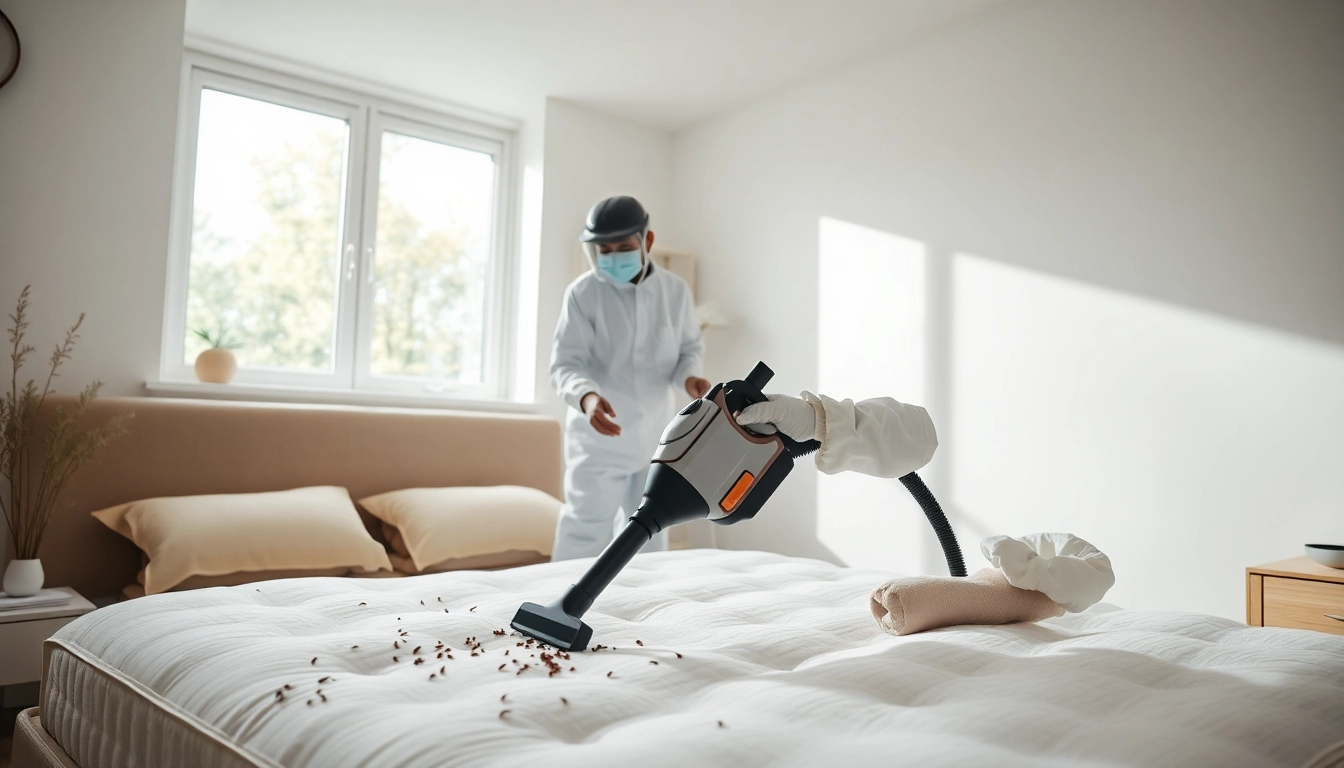
Understanding Bed Bugs
What are Bed Bugs?
Bed bugs are small, oval, reddish-brown insects that feed on the blood of humans and animals. Adult bed bugs are typically about the size of an apple seed, measuring up to 5 mm in length. These nocturnal pests are known for hiding in small crevices, making homes in bedding, furniture, and other places where humans rest or sit. The scientific name for bed bugs is Cimex lectularius, and they have been a nuisance to people across the globe for centuries. Their resilience and ability to reproduce quickly contribute to their notoriety as difficult pests to manage.
Signs of Infestation
It is crucial to identify the signs of a bed bug infestation promptly to manage the problem effectively. Common signs include:
- Visible Bugs: Spotting the bugs themselves in bedding or furniture.
- Bites: Red, itchy welts on your skin that appear overnight, typically on exposed areas.
- Fecal Spots: Tiny dark spots (bed bug excrement) on sheets or mattresses.
- Eggshells: Tiny, clear eggshell casings often found in hiding spots.
Regular inspections and vigilance are essential to catch any early signs of these pests before they proliferate.
Health Risks Associated with Bed Bugs
While bed bugs are not known to transmit diseases, their bites can lead to various health risks. The most common issue is severe itching and discomfort. Scratching these bites can cause secondary infections. Additionally, the psychological impacts, such as anxiety and sleeplessness, can disrupt a person’s quality of life. Infected individuals often feel self-conscious and overwhelmed, causing stress and other emotional difficulties.
Effective Bed Bug Removal Techniques
Professional Extermination Services
Choosing professional extermination services is one of the most efficient ways to tackle a bed bug infestation. Professionals utilize advanced techniques and equipment to ensure comprehensive bed bug removal. This approach often includes:
- Inspection: Experts conduct thorough inspections to identify the extent of the infestation and determine the best course of action.
- Heat Treatments: Many professionals employ high-temperature heat treatments that kill bed bugs at all life stages.
- Pesticides: Carefully selected insecticides may be used in combination with other methods to eradicate resistant populations.
These methods are designed to not only eliminate existing bed bugs but also prevent their recurrence. When seeking professional help, look for licensed pest control companies with expertise in bed bug removal.
DIY Bed Bug Removal Strategies
For those who prefer to handle the situation independently, several DIY strategies can help manage a bed bug infestation. However, it’s essential to understand that DIY methods often require extensive effort and may not always achieve complete eradication. Here are several approaches:
- Washing and Heat: Washing bedding, curtains, and clothes in hot water and drying them on the highest setting can effectively kill bed bugs.
- Vacuuming: Regularly vacuuming affected areas helps remove bed bugs and their eggs from carpets, beds, and furniture.
- Steam Cleaning: Using a steam cleaner on infested areas can eradicate these pests by applying high temperatures.
- Usage of Diatomaceous Earth: Sprinkling this natural powder in infested areas disrupts the body of bed bugs and leads to dehydration.
Though these methods are valuable, persistence is key. It is often advisable to follow up with a professional service, especially for significant infestations.
Comparison of Methods
When considering bed bug removal methods, it's essential to weigh the benefits and drawbacks of professional services versus DIY strategies:
MethodAdvantagesDisadvantagesProfessional ExterminationThorough and effective; trained professionals; guarantees.Costly; possible need for multiple treatments.DIY MethodsCost-effective; immediate action; availability of resources.Requires time and effort; may not be fully effective.
Each choice has its merits, and homeowners should select based on the severity of their infestation, budget, and personal preferences.
Preparing Your Home for Bed Bug Removal
Cleaning and Decluttering
Before beginning the bed bug removal process, it’s essential to clean and declutter your home. A cluttered space provides ample hiding spots for bed bugs. Key actions include:
- Removing unnecessary items and organizing them by room.
- Cleansing area rugs, carpets, and bedding before treatment.
- Vacuuming thoroughly, paying attention to seams, corners, and hidden spaces.
A decluttered environment not only facilitates more effective treatment but also helps prevent future infestations.
Protecting Belongings
To safeguard your possessions during the extermination process, consider the following strategies:
- Seal items in plastic bags, especially clothing or bedding that cannot be washed.
- Store these bags in a safe location away from the treatment area.
- Consider creating a dedicated room for untreated items until the all-clear is given.
Taking these precautions can minimize the risks of moving bed bugs around your home during treatment efforts.
Post-Treatment Care
After treatment, it’s vital to follow specific guidelines to ensure the problem doesn’t return:
- Monitor your home for any signs of bed bugs for several weeks following treatment.
- Continue to keep your living space clean and decluttered.
- Consider using encasements on mattresses and pillows to deter future infestations.
Staying vigilant and proactive can assist in keeping your home bed bug-free long after initial treatment.
Preventing Future Bed Bug Infestations
Best Practices for Homeowners
Preventing bed bug infestations requires ongoing diligence. Homeowners can adopt several best practices, including:
- Regularly inspecting luggage and belongings after traveling.
- Using protective covers for mattresses and box springs to block bed bugs from nesting.
- Avoiding second-hand furniture until thoroughly inspected.
By adopting preventative behaviors, you can significantly reduce the likelihood of future infestations.
Regular Inspection Techniques
Implement a routine inspection of your home as part of bed bug prevention. Here are a few methods:
- Check commonly infested locations, including beds, sofas, and furniture seams.
- Pay attention to travel-related items like bags or shoes when returning home.
- Use bed bug interceptors that slip under furniture legs to catch pests before they reach your bed.
Being proactive with inspections can catch any emerging problems before they escalate.
Using Protective Gear and Covers
Investing in protective gear can be a vital part of a comprehensive prevention strategy. Consider these options:
- Bed bug-proof encasements for mattresses and pillows.
- Protective covers for box springs.
- Use interceptors designed to trap bed bugs.
These solutions can effectively reduce bed bug hiding spots and protect your sleeping areas.
FAQs on Bed Bug Removal
How can I identify bed bugs?
Look for small, reddish-brown insects, bites on your skin, tiny dark fecal spots, or eggshell casings around your bedding or furniture.
What should I do before the exterminator arrives?
Clean and declutter your home, wash linens and clothing in hot water, and vacuum affected areas thoroughly to prepare.
Are home treatments effective for bed bug removal?
Home treatments can help manage minor infestations, but they often require professional intervention for complete eradication.
How long does bed bug removal take?
The duration varies based on infestation level; professional treatments can take a few hours, requiring follow-ups for complete success.
Can I prevent bed bugs from returning?
Yes, by adopting regular inspections, using protective covers, and keeping your living space clean and clutter-free.