Understanding Giant Foam Building Blocks
What are Giant Foam Building Blocks?
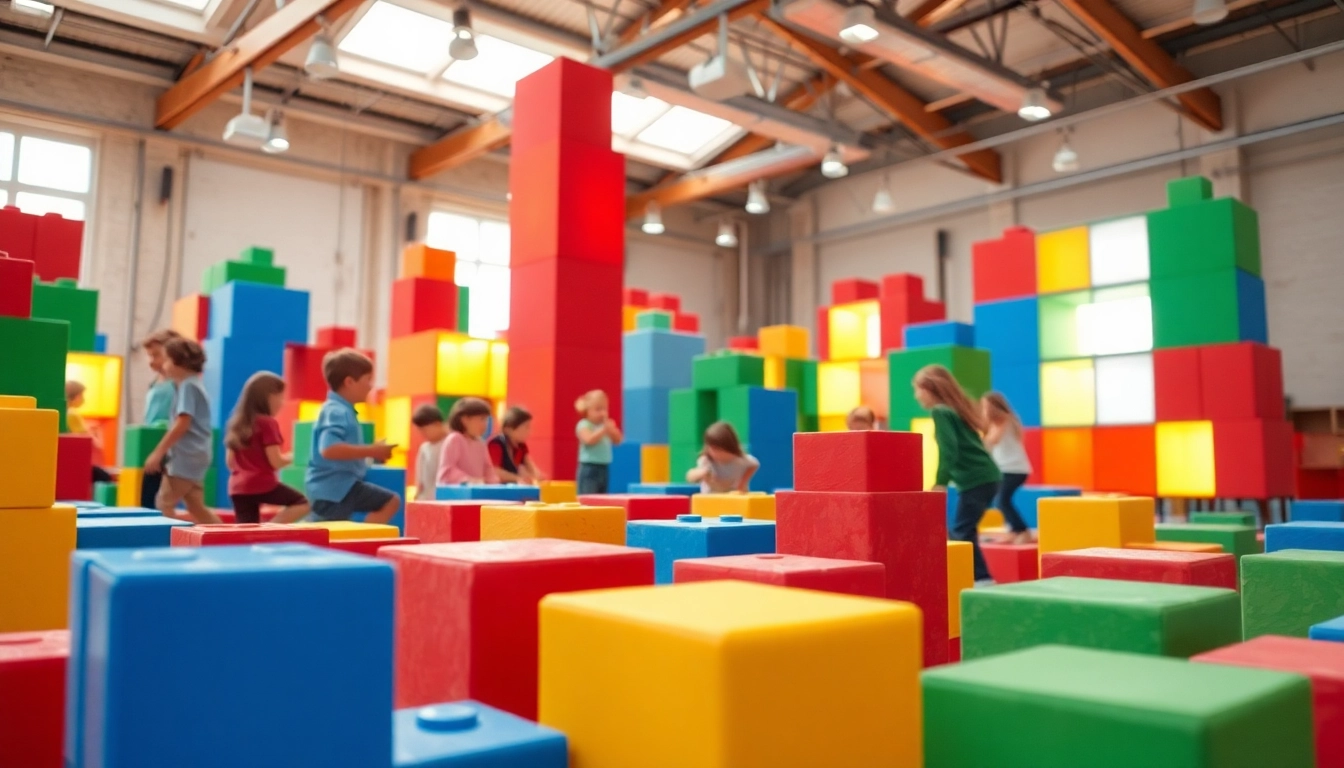
Giant foam building blocks are oversized, lightweight blocks made from soft foam material that allows children to safely construct and deconstruct structures. These blocks are designed with vibrant colors and various shapes to stimulate children's imagination and creativity during play. Their soft texture provides a safe environment for kids to engage in exploratory play without the risks associated with hard materials.
Benefits of Using Foam Blocks for Kids
Foam building blocks come with numerous benefits that extend beyond just having fun. Primarily, they promote physical skills as children engage in lifting, stacking, and balancing blocks, which enhances their gross motor development. Furthermore, these activities stimulate cognitive development through problem-solving and critical thinking as they create different structures.
Moreover, building with foam blocks encourages social interaction when children play together, facilitating teamwork and communication. It also enhances fine motor skills, especially when kids grip, stack, or arrange smaller blocks. Plus, the variety in shapes and sizes provides endless possibilities for imaginative play, encouraging creativity and innovation. For additional tips on selecting the best options, more details can be explored.
Ideal Age Range for Foam Building Blocks
Typically, giant foam building blocks are suitable for children aged 2 years and older. Younger toddlers can safely manipulate larger foam blocks, which offer a softer alternative to traditional wooden blocks that might pose injury risks. As children grow, they can engage in more complex building projects, thus enjoying these blocks well into their early school years, typically until around age 7 or 8.
It is essential for parents and caregivers to evaluate the specific features and safety standards of foam blocks to ensure they align with the child's developmental stage, ensuring a fun and safe play experience.
Choosing the Best Foam Building Blocks
Factors to Consider When Buying
Investing in foam building blocks requires considering several key factors to make an informed decision. First, assess the size and weight of the blocks. Larger blocks may be more suitable for outdoor settings or spacious interiors, while smaller blocks can be more manageable for younger children. Additionally, the shape variety can enhance creativity, as blocks in different forms allow for more inventive designs.
Price is another vital factor. While high-quality foam blocks may be more expensive, they often provide better durability and safety. Parents should also consider how easy it is to clean and maintain the foam blocks. The fun factor should not be overlooked, as colorful, engaging designs can make play more enticing for children.
Material and Safety Standards
Safety should always be the top priority when selecting foam building blocks. Look for products that meet essential safety standards, such as being BPA-free and made of non-toxic materials. The foam should be durable enough to withstand rough play while maintaining its structural integrity over time. Moreover, antimicrobial properties in foam materials can help reduce the growth of germs and bacteria, adding an extra layer of safety.
Top Brands and Their Features
While many brands produce high-quality foam building blocks, selecting the one that best meets your child's needs is crucial. Look for brands that offer a warranty or guarantee, indicating their confidence in the product's durability and safety. Considerations like color variety, size options, and unique shapes or themes can also influence which brand will work best for your household.
Researching customer reviews can provide insights into the user experience, highlighting potential challenges or advantages with specific brands. Testimonials can reveal how well the blocks hold up under pressure and whether they provide excellent value for the price paid.
Creative Indoor Activities with Foam Blocks
Fun Building Challenges for Kids
Building challenges are an engaging way to encourage creativity and problem-solving skills in children. Parents can organize “build-off” competitions where kids must create a specific structure or theme using their foam building blocks. These challenges can range from straightforward designs, like towers or bridges, to more complex structures, like castles or vehicles.
Such activities not only spur creativity but also foster friendly competition, which can help children build resilience as they learn to navigate success and failure in a fun environment.
Incorporating Learning into Play
Foam blocks provide an excellent opportunity to incorporate educational principles into playtime. For example, children can learn about measurements and balance as they work to create taller structures while maintaining stability. This type of learning is hands-on and allows kids to grasp concepts that might be difficult to understand through traditional teaching methods.
Using foam blocks for counting exercises can also be effective, allowing kids to visualize mathematical concepts in a tactile and engaging manner. The blocks can be sorted by color, size, or shape, creating opportunities for lessons in categorization and organization.
Group Activities to Encourage Teamwork
Team-building activities can be effortlessly facilitated with foam building blocks. Group projects encourage collaboration among children as they must communicate and work together to achieve a common goal. Ideas for group activities could include collaborative mural designs, themed constructions, or group challenges where they build structures that meet specific criteria.
These cooperative experiences help children develop interpersonal skills and learn the importance of listening to others, negotiating, and compromising.
Safety Tips for Playing with Foam Blocks
Safety Guidelines for Indoor Play
Establishing safety guidelines is critical when children are playing with foam building blocks indoors. Ensure a clutter-free play area to prevent tripping or falling. Supervision is essential, especially for younger children, to watch for excessive roughhousing that could lead to mishaps.
Encouraging children to play gently will help preserve the integrity of both the blocks and the environment around them. Designating a “soft play zone” can help to create boundaries for safe foam block play.
Maintaining a Safe Play Environment
Maintaining a clean play environment is critical in preventing illness and ensuring safe play. Regular cleaning of foam blocks should be emphasized, ideally using a child-safe disinfectant. Routinely inspect the blocks for wear and tear, such as tears or damaged areas, which could create safety hazards.
Establishing a designated storage area for blocks when not in use ensures they do not become tripping hazards and allows for easy access when playtime begins.
Monitoring Playtime for Potential Hazards
Constant monitoring is vital during play to mitigate any potential hazards actively. Observing children during play can help identify overly aggressive behavior or unsafe use of the blocks. If children tend to climb on structures made with foam blocks, adult supervision is necessary to ensure their safety.
Emphasize safety rules before play begins, reminding children to use the blocks constructively and safely. Regular discussions about safety can ensure children remain conscientious while engaging in building activities.
Frequently Asked Questions
How do I clean giant foam blocks?
Giant foam blocks can be cleaned using mild soap and water. For disinfecting, use a child-safe disinfectant spray, ensuring the blocks dry thoroughly after cleaning to prevent mold growth.
Can foam blocks be used outdoors?
Yes, many foam blocks are suitable for outdoor use. However, it's best to check the manufacturer's guidelines to ensure they can withstand outdoor conditions like moisture and sunlight.
Are foam blocks safe for toddlers?
Absolutely! Foam blocks are soft and lightweight, making them a great option for toddlers. Always supervise playtime to ensure safety and adherence to age-appropriate guidelines.
What sizes do foam blocks come in?
Foam blocks come in various sizes, typically ranging from small 3-inch cubes to large 12-inch blocks. The variety allows for diverse building options and sizes that cater to different age groups.
How long do foam blocks last with regular use?
With regular use and proper care, foam blocks can last several years. The durability can vary based on the quality of material and how well they are maintained and cleaned.