Understanding the Importance of Screen-Free Play
In an era dominated by digital screens, the emphasis on screen-free play is more vital than ever. This shift not only nurtures creativity but also supports essential developmental skills for children. Engaging in screen-free play promotes interaction, physical activity, and imaginative thinking, fostering a healthy balance in playtime. To dive deeper into this fascinating topic and explore various options, visit the website for insightful toy recommendations and activities that encourage hands-on learning.
Benefits of Limited Screen Time
Research strongly suggests that limiting screen time benefits children's overall well-being. One of the significant advantages of screen-free play is the enhancement of social skills. Engaging with peers through non-digital games and activities provides opportunities for children to develop vital communication abilities and emotional understanding. Moreover, reduced screen time encourages children to explore their environment, fostering curiosity and problem-solving skills.
Additionally, limiting exposure to screens can improve attention spans. Excessive time spent in front of screens may lead to shorter attention spans and increased impulsivity. Screen-free play, on the other hand, allows children to focus on tasks for longer durations, improving their capacity for sustained engagement. Finally, a reduction in screen time contributes to better sleep quality; children who engage in screen-free activities before bed tend to fall asleep faster and enjoy deeper rest.
How Physical Play Affects Development
Physical play is critical for children's development as it directly contributes to their motor skills, coordination, and overall health. Activities such as running, jumping, and climbing build strength and endurance. Moreover, physical play has profound effects on cognitive development, helping kids learn to navigate challenges and make decisions through trial and error.
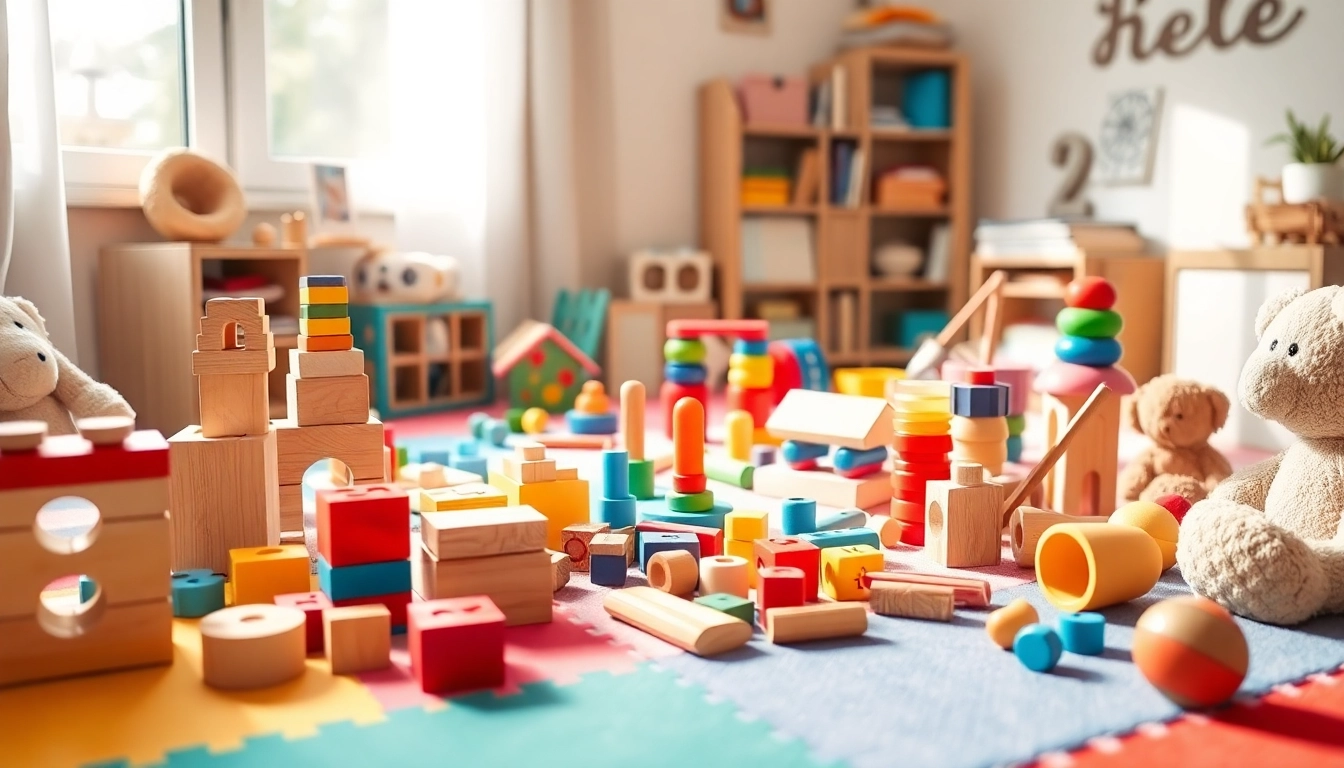
Engaging in screen-free play also boosts creativity and imagination. When children utilize toys like building blocks, they learn to think creatively as they visualize their constructions and problem-solve when things don’t fit together. This imaginative play is essential for cognitive flexibility, allowing children to approach situations from multiple perspectives.
Creating a Balanced Play Environment
A well-rounded play environment integrates a variety of screen-free activities to cater to diverse interests and developmental needs. Parents and caregivers can design spaces filled with materials that encourage exploration—art supplies, building sets, and nature exploration tools. Settings that combine indoor and outdoor opportunities are particularly beneficial, as they inspire children to use their imaginative faculties in varied environments.
Moreover, creating routines that incorporate screen-free play helps establish healthy habits. Setting aside specific periods for play, whether it’s during the day or in the evenings, creates an expectation around engaging with toys and activities while limiting screen interactions. Varying the types of play can also maintain children's interest; for example, alternating between quiet activities like reading and active play encourages engagement.
Top Screen-Free Toy Categories for Kids
Building and Construction Toys
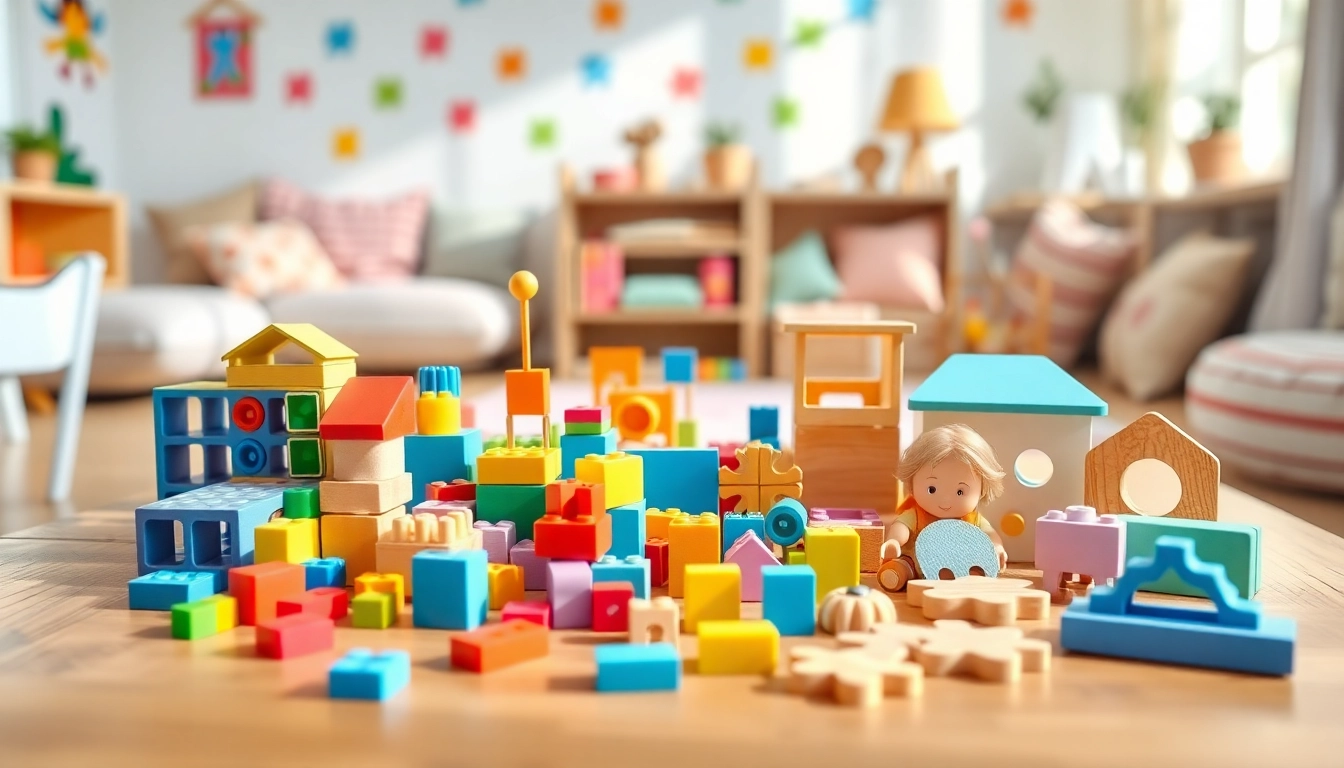
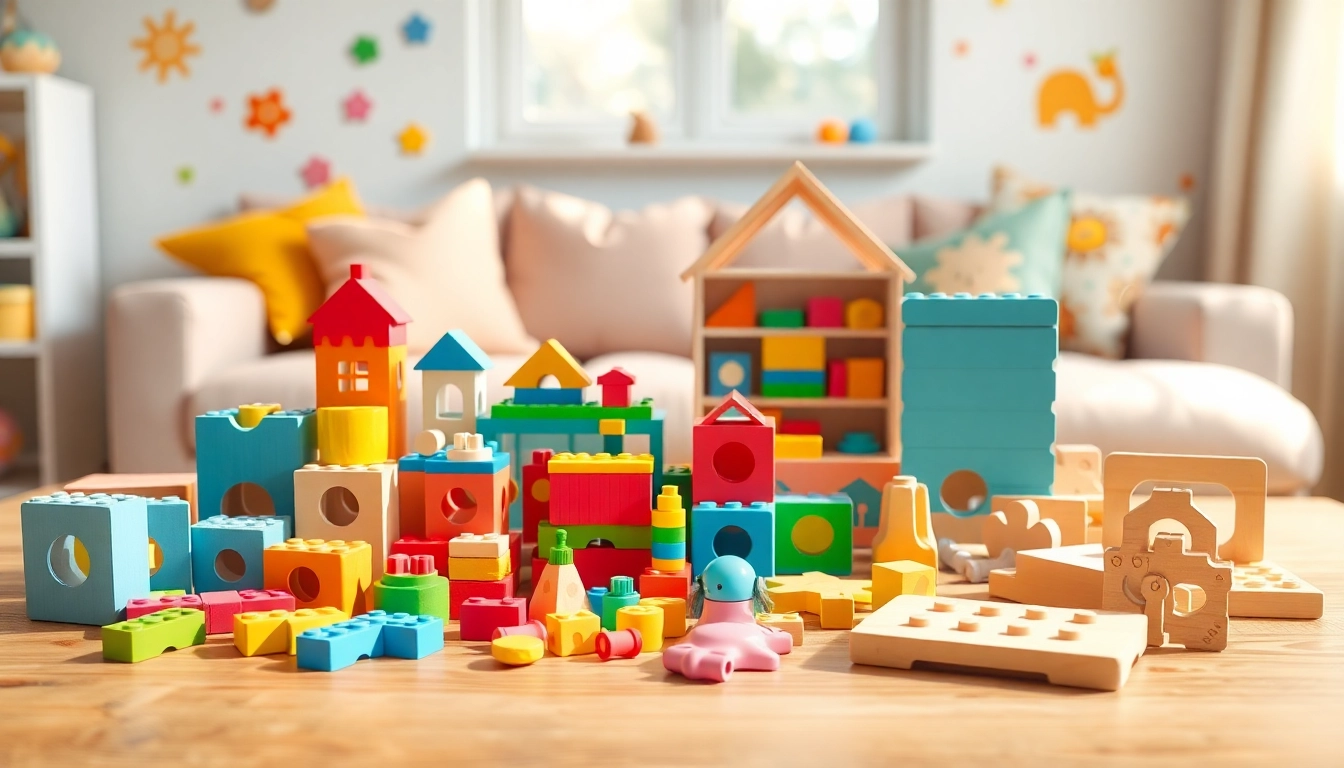
Building and construction toys, such as blocks, magnetic tiles, and snap-together systems, are exceptional for fostering creativity and engineering skills. These toys engage children in structural thinking and problem-solving, allowing them to create anything from simple structures to complex designs. They enhance spatial awareness as kids manipulate pieces to create their intended projects.
These toys are not only entertaining but also educational. They encourage logical thinking and project planning, as children learn to estimate the required pieces and visualize their end goal. Integrating storytelling into building activities—like creating a castle for their favorite characters—can further deepen their imaginative engagement.
Arts and Crafts Supplies
Arts and crafts materials, including colored papers, markers, paints, and clay, stimulate creativity and self-expression. Through these supplies, children can create their own masterpieces, providing a sense of accomplishment. Crafting has therapeutic benefits, too; the process of creating art can be soothing and help express emotions that children may struggle to verbalize.
Incorporating arts and crafts into daily routines can enhance fine motor skills as children cut, glue, or mold materials. Furthermore, collaborative art projects can boost collaborative skills and create a sense of community as children work together to create a larger piece of art.
Interactive Board Games
Board games bring families and friends together, promoting social interaction and strategic thinking. As children learn to follow rules, take turns, and cope with winning or losing, these games teach important life skills. They require players to think critically and develop strategies, enhancing cognitive abilities.
Additionally, many board games have educational themes—covering subjects like math, language, or history—making them a fun way to learn new concepts while engaging socially. Choosing games that cater to various age groups ensures everyone can participate and enjoy quality time together.
Choosing the Right Screen-Free Toys
Age-Appropriate Selections
Selecting age-appropriate toys is critical to ensure safety and engagement. For younger children, simple toys like large blocks or soft animals promote physical interaction and development. As children grow, their play needs become more complex, necessitating toys that challenge their growing skills, like advanced building sets or intricate puzzles.
Parents should consider developmental milestones when selecting toys. For example, toddlers may benefit from toys that promote gross motor skills, whereas older children can handle toys that require fine motor skills and abstract thinking. Engaging children in the selection process can also foster their sense of autonomy and interest in play.
Evaluating Safety Standards
Safety is paramount when it comes to children's toys. Parents should look for toys made from non-toxic materials, ensuring they comply with safety guidelines. Checking for safety certifications, such as ASTM or EN71, can provide peace of mind regarding the toy's safety during play.
It's crucial to avoid toys with small parts that may pose choking hazards for younger children. Regularly inspecting toys for damage or wear encourages continued safety and functionality. Involving children in toy maintenance also teaches them responsibility and care for their belongings.
Incorporating Educational Value
When selecting toys, incorporating educational value can further extend benefits beyond entertainment. Educational toys often emphasize key learning areas, such as science, technology, engineering, arts, and mathematics (STEAM). Toys that advance critical thinking skills, foster creativity, and introduce problem-solving can enrich a child's play experience.
Interactive kits that allow children to experiment with building or crafting can yield significant learning moments, turning playtime into opportunities for intellectual growth. Including educational information in the toy selection process encourages parents to remain involved, exploring and learning alongside their children.
Creative Play Ideas Without Screens
DIY Craft Projects
Creating DIY craft projects can transform ordinary materials into engaging play experiences. Simple items around the house—like cardboard boxes, scrap paper, and old magazines—can be repurposed into art projects or building activities. Children can create obstacle courses or furniture for their dolls, promoting imaginative play.
Guided craft projects, such as making friendship bracelets or designing personalized T-shirts, can help extend imaginative play while improving fine motor skills. Providing direction while allowing creativity gives children the freedom to express themselves while gaining valuable crafting skills.
Group Activities and Challenges
Organizing group activities encourages teamwork and social interaction. Games such as scavenger hunts or relay races require collaboration and foster camaraderie amongst participants. Challenges like building a tower from specific materials can instill a sense of accomplishment when completed successfully.
These group activities can also enhance leadership skills. Allowing children to take turns leading different activities teaches responsibility and the dynamics of group interaction. Incorporating arts and crafts into group challenges opens a world of creativity while keeping everyone engaged.
Outdoor Play Inspirations
Outdoor play is essential for children’s overall development, providing opportunities for exploration and discovery. Activities such as nature walks, gardening, or sports encourage physical activity and environmental awareness. Playing in natural settings allows children to foster a sense of wonder as they connect with their surroundings.
Setting up adventure-themed outdoor days can provide structure to play while inspiring creativity in storytelling. For example, setting up a pirate treasure hunt engages children in role-playing while being outdoors. Outdoor games also enhance physical fitness, teaching children the value of an active lifestyle.
FAQs About Screen-Free Toys for Kids
What are screen-free toys?
Screen-free toys are physical playthings that do not use screens, emphasizing hands-on interaction. These toys promote creativity, imagination, and essential skills through tactile engagement.
How do these toys aid development?
Screen-free toys bolster cognitive, social, and physical development. They facilitate problem-solving, enhance fine motor skills, and encourage social interaction through collaborative play.
Can these toys be educational?
Yes, many screen-free toys offer educational value, focusing on skills in science, math, arts, and social studies. They make learning enjoyable by blending fun with essential educational concepts.
How to encourage screen-free play?
To promote screen-free play, set specific playtimes, provide a variety of engaging toys, and encourage creativity through group activities that foster interaction and imagination.
What are good age recommendations?
Age recommendations vary; however, toys should match developmental abilities. Younger children may enjoy simple, sensory-based toys, while older kids can handle complex building sets and strategic games.