Understanding Small Claims Court
Definition and Purpose of Small Claims Court
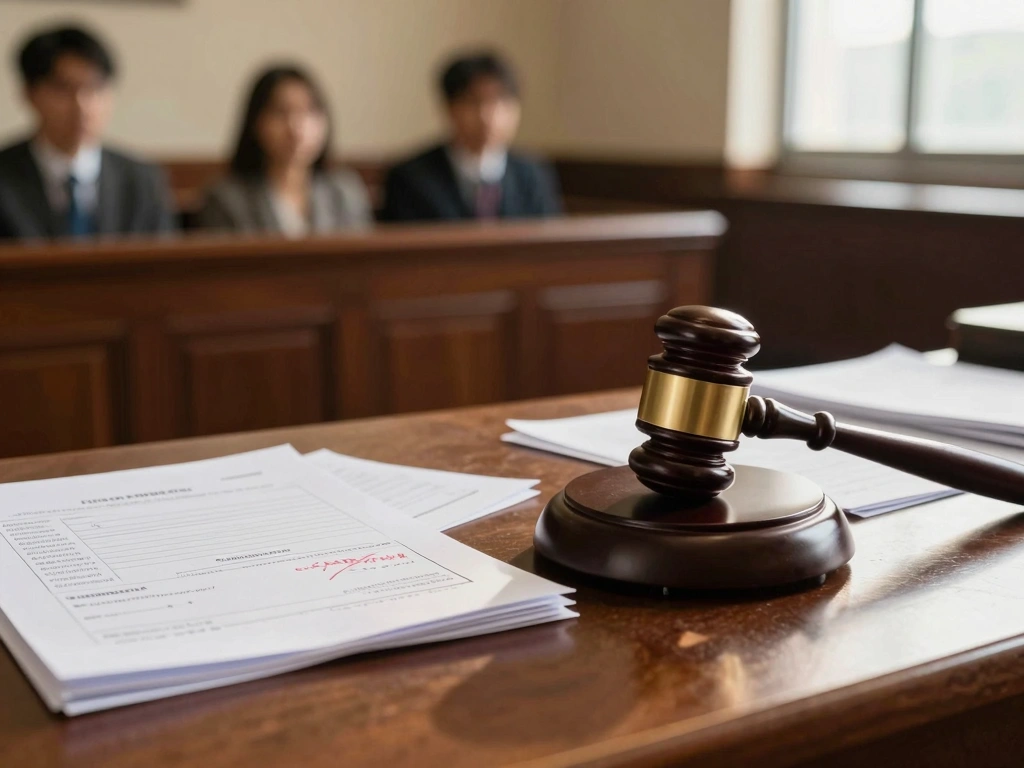
Small Claims Court is a specialized judicial forum designed to resolve disputes involving relatively minor financial amounts without the complexities of the regular court system. The primary purpose of these courts is to provide individuals and businesses a quicker, more accessible way to seek justice for claims that are typically too small to warrant the time and expense of a full trial. For businesses facing unpaid invoices, Small Claims Court can be a vital tool in recovering lost revenue.
Jurisdiction Limits and Types of Cases
Each state has its own jurisdictional limits for claims filed in Small Claims Court. Generally, these limits range from $2,500 to $25,000, depending on the jurisdiction. The types of cases commonly handled in Small Claims Court include:
- Unpaid invoices
- Property damage claims
- Security deposit disputes
- Contract disputes
For instance, if a freelance graphic designer completes a project worth $3,000 but does not receive payment, they can file a claim in Small Claims Court to recover the unpaid amount, provided it falls within the jurisdictional limit.
Advantages of Using Small Claims Court
One of the key advantages of Small Claims Court is its simplicity. The process is designed to be user-friendly, allowing individuals and small business owners to represent themselves without the need for legal counsel. This not only saves on legal fees but also accelerates the resolution process. Other notable benefits include:
- Speed: Cases are typically resolved much faster than in higher courts, often within a few months.
- Lower Costs: Filing fees are minimal compared to higher courts, making it accessible for small businesses.
- Informal Environment: The atmosphere is less formal than traditional courtrooms, which can reduce anxiety for claimants.
Eligibility Criteria for Filing Unpaid Invoices
Monetary Limits for Claims
To file a claim for unpaid invoices in Small Claims Court, it's essential to be aware of the monetary limits set by your state. For example, if you are in California, the limit for individuals is $10,000, while businesses can only claim up to $5,000. If your unpaid invoice exceeds this limit, you will need to pursue your claim in a higher court.
Time Limits for Filing a Claim
Each state also imposes a statute of limitations on how long you have to file a claim after the invoice becomes overdue. This period can range from three to six years, depending on the type of claim. For example, if you issued an invoice on January 1, 2020, and it remains unpaid, you may only have until January 1, 2023, to file a claim in some states. It is crucial to act promptly to ensure your ability to recover your funds.
Documentation Requirements for Unpaid Invoices
To successfully file a claim for unpaid invoices, you must provide sufficient documentation that proves the validity of your claim. This usually includes:
- A copy of the unpaid invoice with clear terms of payment
- Proof of delivery of goods or services rendered
- Any correspondence with the debtor, including reminders and payment requests
For instance, if a contractor completed renovations for a client but was not paid, they should keep records of the contract, invoices issued, and any emails or letters sent to the client requesting payment.
The Process of Filing a Claim for Unpaid Invoices
Steps to Prepare Your Claim
The first step in filing a claim for an unpaid invoice is to gather all necessary documentation and evidence. Next, you will need to fill out the appropriate forms provided by your local Small Claims Court. These forms typically require basic information about your claim, including:
- Your contact information
- The defendant's information
- A description of the claim and the amount being sought
After completing the forms, review them for accuracy before submitting them to the court.
Filing Fees and Costs Involved
Filing fees for Small Claims Court vary by jurisdiction but are generally modest, often ranging from $30 to $100. Additional costs may include fees for serving the defendant with the claim, which can also range from $20 to $50, depending on the method of service chosen (e.g., personal service, mail). It's essential to budget for these costs when preparing your claim.
Serving the Defendant: What You Need to Know
Once your claim is filed, you must serve the defendant with a copy of the claim, which officially notifies them of your lawsuit. This can be done through various methods, including:
- Personal service by a process server
- Certified mail
- Substituted service (e.g., leaving the documents with someone at the defendant's residence)
It is vital to follow your state’s rules regarding service of process, as improper service can lead to delays or dismissal of your case.
Preparing for the Small Claims Court Hearing
Gathering Evidence and Supporting Documents
Preparation is key to a successful hearing. You should compile all relevant evidence, which may include:
- Invoices and contracts
- Emails and letters sent to the defendant
- Witness statements, if applicable
Organizing your documents in a clear manner will help you present your case effectively. Consider creating a timeline of events leading to the unpaid invoice to illustrate your case clearly.
Understanding Court Procedures and Expectations
Before attending your hearing, familiarize yourself with the court’s procedures. Most Small Claims Courts operate in an informal manner, but understanding the basic protocol can help ease your anxiety. Generally, both parties will present their sides to a judge, who will then make a ruling based on the evidence presented.
Presenting Your Case Effectively
During the hearing, clarity and conciseness are crucial. Start by clearly stating your name and your relationship to the case. Present your evidence logically, backing up your claims with documentation. For example, if you are claiming $1,500 for an unpaid invoice, show the invoice, proof of service, and any communication that supports your claim. Remember to remain respectful, and address the judge and the defendant appropriately.
Post-Hearing Actions and Collecting Judgments
Understanding the Court’s Decision
After both parties have presented their cases, the judge will issue a decision. If the judgment is in your favor, the court will provide a written order indicating the amount owed. This judgment can typically be enforced through various means, depending on your state’s laws.
Options for Collecting on a Judgment
Winning a judgment does not guarantee immediate payment. To collect on a judgment, you may consider the following options:
- Wage Garnishment: You may be able to garnish the debtor's wages, requiring their employer to withhold a portion of their paycheck until the debt is settled.
- Bank Levy: This allows you to attach funds directly from the debtor's bank account.
- Property Lien: A lien can be placed on the debtor’s property, which may prevent them from selling it until the debt is paid.
Dealing with Non-Payment After a Judgment
If the debtor still refuses to pay after the judgment, further legal action may be necessary. You can file for additional enforcement actions, such as contempt of court, if the debtor fails to comply with the judgment. It's important to consult your local laws to understand your rights and options as a judgment creditor.
In conclusion, Small Claims Court serves as an essential mechanism for businesses dealing with unpaid invoices. By understanding the process, eligibility requirements, and how to effectively present your case, you can enhance your chances of recovering the funds owed to you.