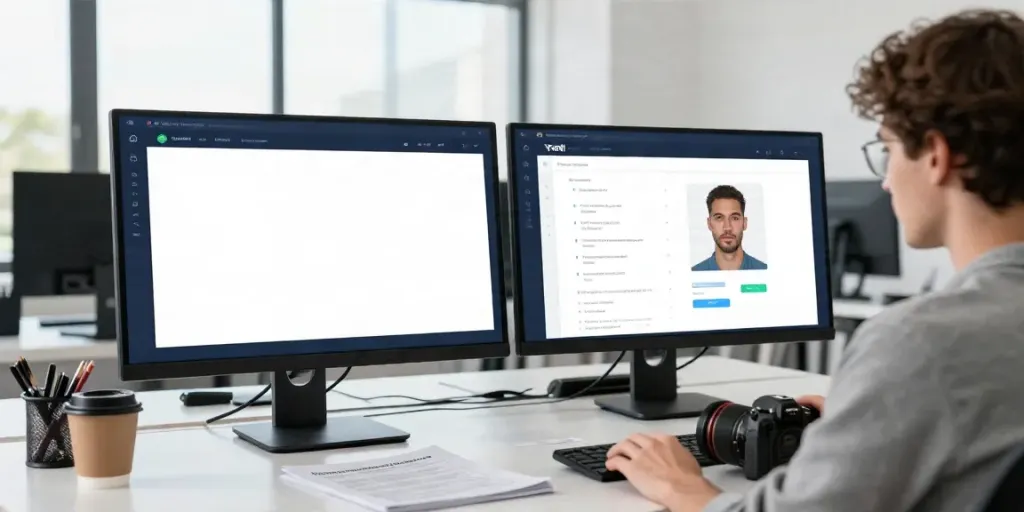
Understanding Age Verification Solutions
In today's digital landscape, age verification is a critical component for businesses, especially those serving content that may be age-restricted. Regulations are tightening, and organizations must comply with a variety of laws to protect minors and maintain a safe online environment. As companies seek reliable solutions, Yoti stands out as a prominent player among age verification services. However, the growing demand for alternatives has led to the emergence of various competitors that offer unique features and capabilities. When exploring options, alternatives to yoti provide comprehensive insights into the possibilities available in the market today.
What are the Alternatives to Yoti?
Yoti offers a sophisticated approach to age verification by utilizing facial recognition technology and biometric data. Yet, the need for diverse solutions has paved the way for several alternatives that cater to different business needs. Here are five noteworthy options:
- Agemin: Known for its NIST-evaluated facial and email age estimation, Agemin stands out with a clear pricing structure and a significant focus on compliance.
- Privately: This Swiss technology firm specializes in on-device facial and voice age estimation, ensuring that no biometric data is transmitted to the server, enhancing user privacy.
- k-ID: A youth-oriented compliance platform, k-ID offers tools like a jurisdiction thresholds API and an age verification orchestrator that integrates multiple verification methods.
- VerifyMy: This service combines email and facial age estimation with checks for cards, phones, and documents, making it a versatile choice for various applications.
- AgeChecked: A UK-based provider, AgeChecked utilizes database, credit card, mobile number, and document scan checks, positioning itself as a government-approved option.
Benefits of Using Age Verification Services
The primary benefits of implementing age verification services include:
- Compliance: Ensures adherence to local laws and regulations, reducing the risk of legal issues.
- Protection: Safeguards minors from accessing inappropriate content, fostering a safer online environment.
- Trust: Enhances brand reputation by demonstrating a commitment to safety and responsibility.
- Flexibility: Offers multiple methods of age verification, accommodating various user needs and scenarios.
How Age Verification Works: Key Technologies
Age verification technology typically works through several methods, including:
- Facial Recognition: Analyzes facial features to estimate age based on visual data.
- Document Verification: Uses identity documents to confirm age via scans.
- Email Age Estimation: Assesses the age based on associated email data.
- Mobile and Card Checks: Validates user age through banking data, which can be effective for users with established records.
Key Features to Consider in Yoti Alternatives
When evaluating alternatives to Yoti, certain features are essential to consider to ensure they meet specific business needs:
Compliance with Regional Laws and Regulations
Different jurisdictions have varying laws regarding age verification. It is vital that the chosen solution aligns with local regulations such as the UK Online Safety Act or the EU Digital Services Act. Failure to comply can lead to significant penalties.
Transparency in Pricing: Why It Matters
Understanding the pricing structure is crucial. Many services offer free allowances or tiered pricing models. A transparent pricing model allows businesses to gauge the potential financial impact before making a commitment.
Accuracy and Methodology: Estimation vs. Lookup
Accuracy is paramount in age verification. Technologies may either estimate age through algorithms or verify it against established databases. Businesses must evaluate which method is most suitable for their target audience.
Comparative Analysis of Top Yoti Alternatives
Analyzing the top alternatives to Yoti provides insight into their offerings:
Overview of Agemin: Features and Pricing
Agemin delivers a pay-as-you-go age verification API that is NIST-evaluated. The platform includes a free plan with 100 verifications per month, making it an accessible option for startups and small businesses. Agemin's commitment to transparency in pricing, with clear per-verification costs, is a significant advantage.
Privately: On-Device Age Estimation Technology
Privately emphasizes user privacy by ensuring that all facial and voice data is processed on-device, meaning no sensitive information is transferred to external servers. This approach is particularly appealing for industries focusing on safeguarding user data.
k-ID: Youth Compliance Solutions
k-ID aims to provide robust solutions for businesses targeting youth audiences. It integrates various verification methods and includes tools for parental consent, thus aligning with compliance requirements for platforms that cater to younger users.
Implementation Strategies for Age Verification
Implementing an age verification solution requires careful planning. Here’s a step-by-step guide to ensure a smooth integration:
Step-by-Step Guide to Integrating Age Verification
- Assess Business Needs: Determine what age verification methods are necessary based on the target audience and regulatory requirements.
- Select the Right Provider: Evaluate the features and pricing of various solutions such as Agemin, Privately, and others.
- Conduct Technical Integration: Collaborate with IT teams to seamlessly integrate the chosen solution into your platform.
- Test the System: Perform thorough testing to ensure the verification process functions smoothly and accurately.
- Monitor and Optimize: Continuously review the system’s performance and make necessary adjustments based on user feedback and regulatory changes.
Testing and Optimizing Your Chosen Solution
After implementation, businesses should conduct regular audits to ensure the verification process is effective. Collecting user feedback can provide insights into the system’s usability and identify areas for improvement.
Monitoring Compliance and Updating Practices
As regulations evolve, it’s vital to stay informed about changes in the legal landscape. Regularly reviewing compliance practices and updating systems will help mitigate risks related to age verification.
Future Trends in Age Verification Technologies
As technology evolves, so does the landscape of age verification solutions. Here are key trends to watch for:
Emerging Technologies for 2026 and Beyond
Advancements in artificial intelligence (AI) and machine learning are expected to enhance accuracy in age estimation methods, enabling more reliable and efficient verification processes.
Predictions on Legal Changes Affecting Age Verification
Anticipated changes in laws may require even stricter measures for compliance. Staying ahead of these changes will be essential for businesses to ensure they meet new regulations without disruption.
How to Stay Ahead in Age Verification
To stay ahead, businesses should invest in continuous learning and development of their compliance teams, adopt scalable solutions that can adapt to changing laws, and engage with providers that prioritize innovation.
What is the reliability of Yoti as an age verification provider?
Yoti is generally viewed as a reliable service, boasting multiple certifications including SOC 2 Type II and ISO 27001. However, businesses must assess their specific needs against the reliability and features of different providers.
How do alternatives to Yoti compare in terms of privacy?
Privacy is a key concern in age verification. Alternatives like Privately enhance user privacy by processing data on-device. Companies should evaluate how each service manages biometric data and user information.
What common challenges do businesses face with age verification?
Common challenges include adapting to rapidly changing regulations, ensuring user compliance, and managing the costs associated with deploying verification technologies.
Which alternative is the most cost-effective?
Cost-effectiveness varies based on usage and specific needs. Agemin’s transparent pricing and free allowance make it a competitive option, particularly for businesses needing scalable solutions.
How does technology impact age verification compliance?
Technological advancements directly influence compliance capabilities. Improved algorithms for facial recognition and data encryption enhance the ability to securely verify age while adhering to legal standards.