Understanding Celebrity Lookalikes
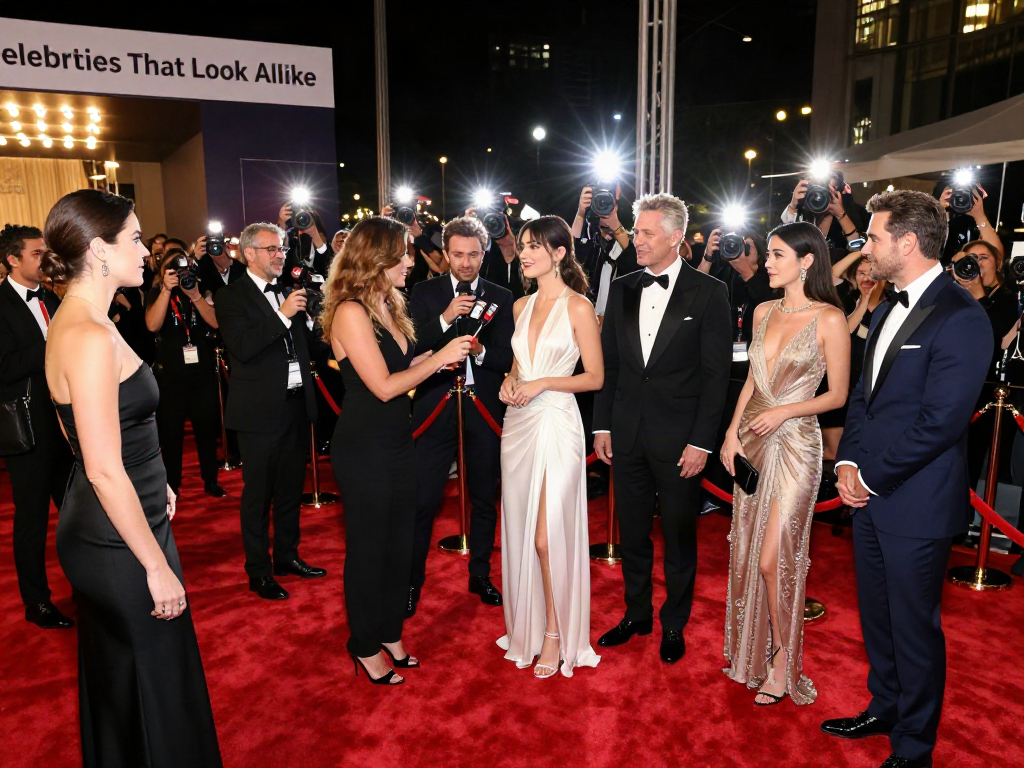
In the world of entertainment, the phenomenon of celebrity lookalikes has captured the fascination of fans and media alike. The allure of seeing two people who bear an uncanny resemblance—sometimes to the extent of being mistaken for one another—is a source of intrigue and amusement. This article delves into the world of celebrities that look alike, exploring the definitions, science, and cultural impacts of doppelgängers in contemporary society.
What Defines a Celebrity Lookalike?
A celebrity lookalike is generally characterized as a person who shares striking physical similarities with another well-known individual, often another celebrity. This resemblance may include facial features, hairstyles, and even expressions. While many may consider lookalikes to be mere coincidences, they often spark curiosity about lineage, imitation, and cultural influences that shape our perceptions of beauty and identity.
The Science Behind Facial Similarities
The science of why we see certain facial similarities can be attributed to genetic factors, societal standards of attractiveness, and even psychological biases. Research indicates that humans are naturally predisposed to recognize faces and find commonalities. Neuropsychological studies show that the brain processes faces in a specific way, making it easier for us to identify similarities and differences among them. This may lead to our perception of doppelgängers, where we notice that some celebrities have features that are remarkably alike.
Famous Examples of Celebrities That Look Alike
Throughout entertainment history, there have been countless examples of celebrities that look alike. Some notable pairs include:
- Katy Perry and Zooey Deschanel: Both have strikingly similar features, leading to frequent mix-ups among fans.
- Will Ferrell and Chad Smith: The actor and the drummer have gotten so many comparisons that they once held a drum-off to determine who is the better lookalike.
- Matt Bomer and Ian Somerhalder: Both share chiseled features and a charming smile, making them a frequent subject of doppelgänger discussions.
- Jessica Chastain and Bryce Dallas Howard: The actresses are often confused for one another owing to their red hair and similar face shapes.
The Cultural Impact of Doppelgängers
Celebrity lookalikes are not just a source of amusement; they also have a tangible impact on media and pop culture. These doppelgängers often dominate headlines, fuel social media discussions, and can even lead to parody and imitation in various forms of entertainment.
How Lookalikes Influence Media and Pop Culture
In a society that thrives on visual cues, celebrity lookalikes provide a rich tapestry for media narratives. They often become subjects of memes, parodies, and humorous content that circulate across social media platforms. For example, when a new movie is released featuring a protagonist who resembles a popular celebrity, it can trigger discussions about the casting choices and societal norms regarding appearance. Such discussions often reflect deeper issues around beauty standards and diversity in media representation.
Celebrity Doppelgängers on Social Media
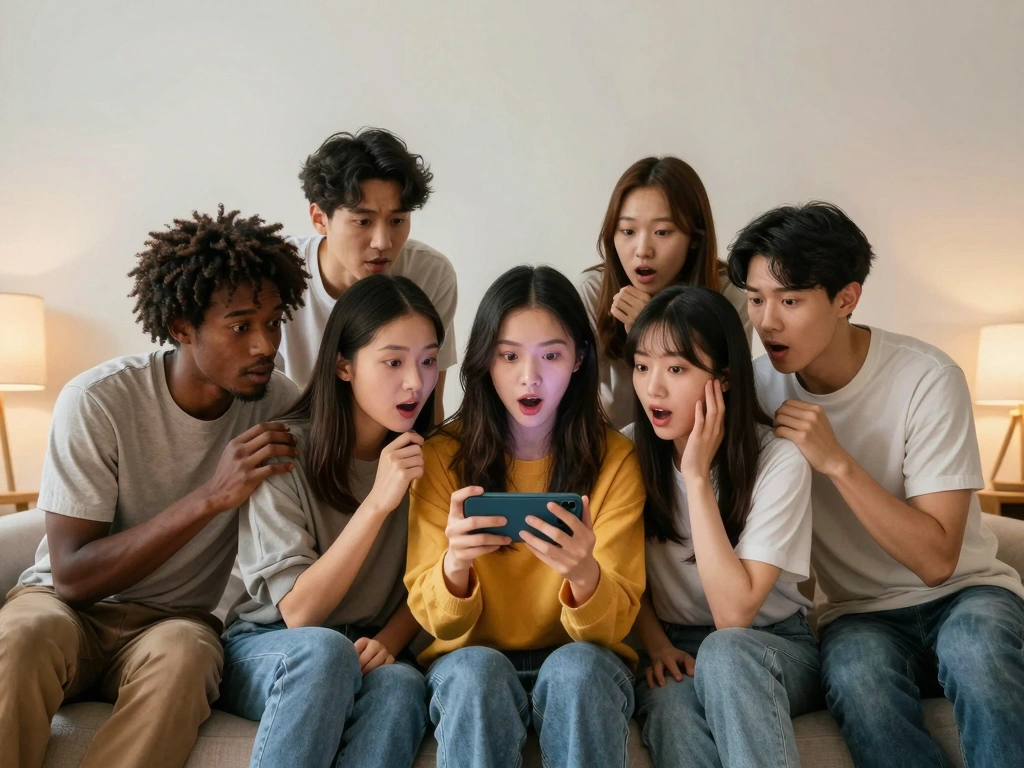
Social media platforms have amplified the phenomenon of celebrity lookalikes. Platforms like Instagram and TikTok showcase people who not only bear resemblance to celebrities but also attempt to emulate their styles and personas. This creates a unique blend of admiration, imitation, and sometimes, even criticism. Hashtags such as #Doppelganger or #CelebrityLookalike have garnered millions of views, illustrating the public's fascination with seeing double in the celebrity world.
Fan Reactions and Community Engagement
Fans play a crucial role in the perception of celebrity lookalikes. Many take to forums and social media to share their thoughts, often igniting discussions around the nature of beauty and identity. The engagement can range from light-hearted comparisons to more serious discussions about societal expectations and self-image. Communities are often built around these discussions, leading to a deeper connection among fans who appreciate the unique charm of celebrity doppelgängers.
Finding Your Celebrity Lookalike
The desire to find a celebrity lookalike is a common curiosity among fans and everyday individuals alike. Numerous tools and apps have emerged to help people discover their celebrity doppelgängers.
Tools and Apps to Identify Celebrity Lookalikes
From specialized mobile applications to online quizzes, technology has made it easier than ever to find out who you look like. Applications like “StarByFace” and “Celebs Like Me” use image recognition algorithms to match users with famous faces that share similar features. These tools provide a fun and engaging way for individuals to explore the similarity between their looks and those of renowned personalities.
Celebrity Lookalike Contests and Their Popularity
Celebrity lookalike contests have gained popularity in various entertainment venues, showcasing individuals who bear an uncanny resemblance to famous figures. These events not only provide entertainment but also foster a sense of community among participants and spectators. They often feature categories ranging from singular likeness to full-on impersonation, creating opportunities for creativity and performance.
Real-life Stories of People Who Found Their Doppelgängers
Several individuals have shared heartwarming and humorous stories about finding their celebrity lookalikes. For instance, a young woman who became famous on TikTok for resembling actress Margot Robbie shared her experiences of being recognized in public, often leading to double-takes and excited reactions. Such stories highlight how lookalikes can bridge gaps between celebrities and fans, turning mere resemblance into shared experiences.
Psychology Behind Celebrity Doppelgängers
The fascination with celebrity lookalikes delves into deeper psychological realms, revealing insights about identity, self-perception, and societal standards.
The Fascination with Celebrity Lookalikes
Many psychologists argue that the fascination with celebrity lookalikes stems from our innate desire to associate with beauty and fame. When we find someone who resembles a celebrity, it often invokes a sense of connectedness. This connection can be thrilling, as it creates an illusion of proximity to an idealized image, manifesting desires for beauty or success.
Identifying with Lookalikes: A Psychological Perspective
From a psychological standpoint, identifying with a lookalike can enhance one's self-esteem. It provides a way for individuals to frame their identity in a culturally acceptable manner, using the familiar image of a celebrity as a benchmark. This can be particularly impactful for individuals who face challenges regarding their self-image, as having a lookalike can imbue them with a sense of comfort and validation.
Impact on Self-Image and Identity
The relationship individuals have with their lookalikes can also affect their self-image. For some, discovering a resemblance may boost confidence, while others may experience the pressure to conform to the ideals represented by their doppelgänger. This duality reflects broader societal pressures concerning looks, beauty, and identity.
Future Trends in Celebrity Lookalikes
As technology and culture continue to evolve, so too will the discourse around celebrity lookalikes.
How AI is Shaping Celebrity Lookalike Discoveries
Artificial intelligence is making significant strides in the realm of facial recognition and comparison. Applications that leverage AI are becoming increasingly sophisticated, allowing users to find not only their celebrity lookalikes but also to analyze features in real-time. This innovation could lead to more personalized experiences in entertainment, fashion, and social media interaction.
Predicting the Next Big Lookalike Trends for 2026
As we look ahead to 2026, we may see a trend towards more diverse and inclusive representations of celebrity lookalikes. With a growing emphasis on representation, there may be an increase in the visibility of doppelgängers across various demographics, highlighting the beauty in diversity and broadened definitions of attractiveness.
Potential Implications for the Entertainment Industry
The entertainment industry could experience significant shifts based on emerging trends in lookalikes. As audiences demand more authenticity and representation, studios may increasingly cast actors who resemble popular figures, or even utilize deepfake technology to create doppelgänger performances that challenge traditional casting norms.
Who is the most famous doppelganger?
The title of "most famous doppelganger" can be subjective, but many often point to the uncanny resemblance between Kate Middleton and actress Keira Knightley as a quintessential example of celebrity look-alikes. Their similar features have led to numerous discussions and comparisons worldwide.
Which celebrity lookalike?
There are countless celebrity lookalikes, but some of the most recognized pairs include Jennifer Aniston and Isla Fisher, and Amy Adams and Bryce Dallas Howard. These lookalikes have captured fans' imaginations and often spark conversations about the nature of beauty and celebrity.
Which celebrities look alike but are not related?
Many celebrities who resemble each other are not related by blood, showcasing the fascinating nature of resemblance. Examples include Anne Hathaway and the late actress, Liza Minnelli, and Lucy Liu and the singer, Fergie. Their similarities highlight the subjective nature of beauty and how it transcends familial ties.
What is the psychology behind celebrity lookalikes?
The psychology behind celebrity lookalikes is complex, rooted in our desires for connection and validation. By finding someone who looks similar to a beloved figure, individuals often feel a sense of belonging and understand themselves better within the broader cultural context.
How to find your celebrity lookalike?
Finding your celebrity lookalike can be a fun and eye-opening experience. By utilizing facial recognition apps or participating in lookalike contests, you can engage with the phenomenon of resemblance and potentially discover a celebrated figure you share likeness with.