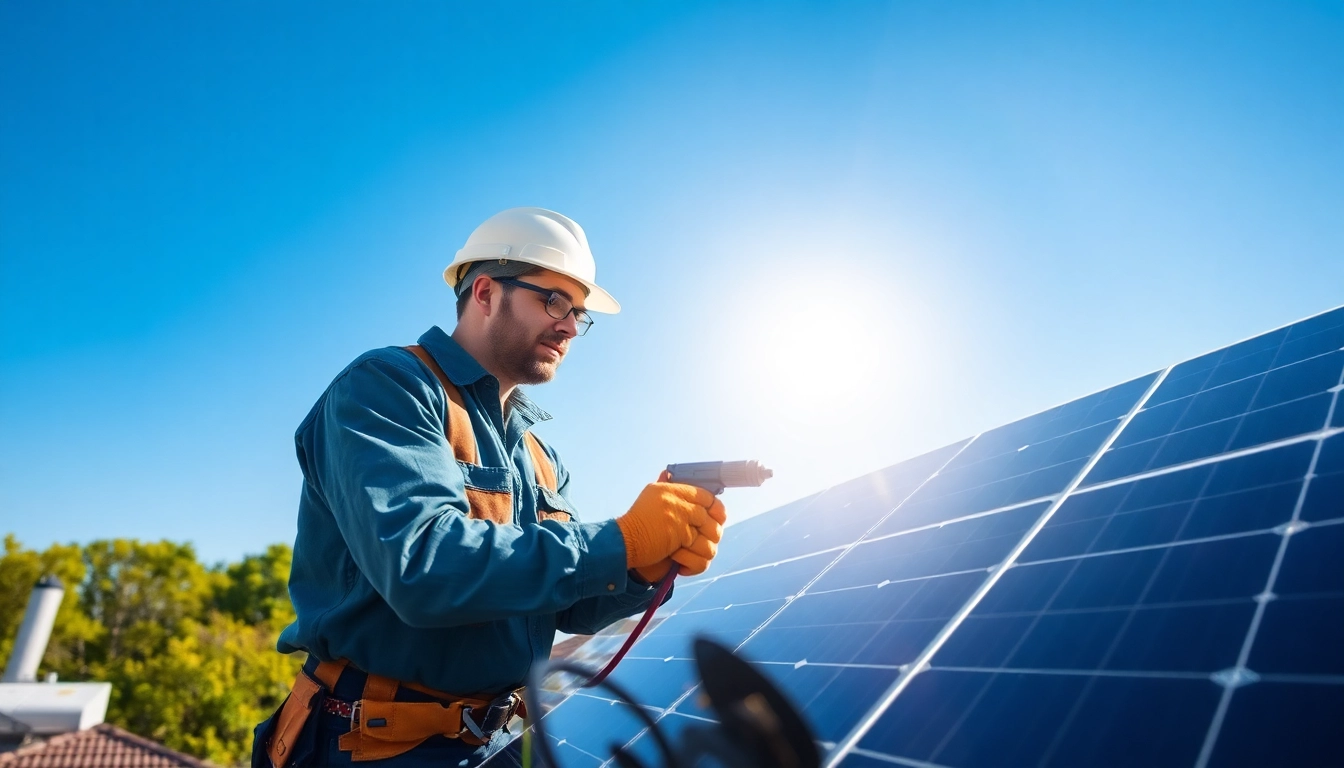
Understanding the Need for Emergency Solar Panel Repair
Solar panels play a critical role in harnessing renewable energy to power homes and businesses. However, various factors such as extreme weather, physical damage, or equipment malfunctions can necessitate emergency solar panel repair. Understanding why and when these repairs are needed is essential to maintaining a reliable solar energy system.
What Constitutes an Emergency Solar Panel Repair?
An emergency solar panel repair can be defined as any urgent need to restore a solar system's functionality due to major failures, threats to safety, or significant drops in performance. This distinguishes emergency repairs from routine maintenance, which is often planned and less urgent. Common scenarios requiring emergency repair might include storm damage that causes a loss of electricity, severe mechanical failure of an inverter, or a situation where solar panels are physically compromised.
Common Causes of Solar Panel Failures
The causes of solar panel failures are varied, and recognizing them early can prevent substantial damage and costly repairs. Here are some prevalent factors:
- Weather-Related Damage: Hail, snow accumulation, and high winds can lead to physical damage or electrical failure.
- Material Wear: Over time, panels may wear out, leading to decreased efficiency and eventual failure.
- Electrical Faults: Issues like inverter malfunctions or wiring problems can interrupt energy production.
- Pest Infestation: Animals can cause damage by nesting, chewing wires, or moving panels out of position.
Assessing Your System for Potential Issues
Regular assessments can help identify potential issues before they escalate into emergencies. Begin with a visual inspection, testing the functionality of the panels and inverters. Monitoring performance data is also crucial; watch for any unexpected drops in energy production that diverge from expected levels. Finally, keep an eye on the age of your solar system components, as older systems are more prone to failures.
Signs Your Solar System Requires Emergency Intervention
Knowing the signs that your solar system needs emergency intervention can help you act swiftly to resolve problems and minimize damage.
Identifying Performance Drops
Significant and sudden drops in energy production can indicate underlying issues. Factors such as shading, dirt accumulation, or damaged equipment can result in reduced energy output. If you notice that your system is not performing to its capacity—especially if this is inconsistent with environmental changes—investigate further to pinpoint the issue.
Recognizing Physical Damage on Panels
Physical damage is often evident but can be overlooked. Check for scratches, cracks, or broken glass. Pay attention to water damage, which could indicate compromised seals. Regular inspections will help detect these issues early, allowing for quick interventions before a complete failure occurs.
Evaluating Inverter Malfunctions
Your inverter is essential to converting the energy produced by your solar panels into usable electricity. If the inverter shows an error message or ceases functionality, it could prevent your system from working effectively. It’s vital to address inverter issues promptly, as they can lead to a halt in performance across the entire solar system.
Immediate Steps to Take During a Solar Emergency
In the heat of an emergency, knowing what to do can make all the difference. Follow these steps to mitigate potential damage or safety risks.
Safety Precautions to Consider
Safety is paramount. Always approach damaged panels with caution, and if you suspect electrical issues, do not attempt to fix them yourself. Disconnect the power source, and if necessary, call emergency services to manage any hazardous conditions.
How to Temporarily Secure Your System
If your solar system is partially functional, consider temporarily securing the area to prevent further damage or injury. For instance, avoid operating electrical systems connected to damaged panels. If accessible, use tarps or shrouds to cover exposed components until professional repair services can be secured.
When to Call in Professionals for Emergency Solar Panel Repair
Recognizing when to involve professionals is crucial. Always consider reaching out for help if:
- You notice extensive physical damage to panels or wiring.
- Your inverter is not functioning after troubleshooting.
- Electrical hazards are present, such as sparks or strange odors.
- You are unsure of how to diagnose or remedy the issue.
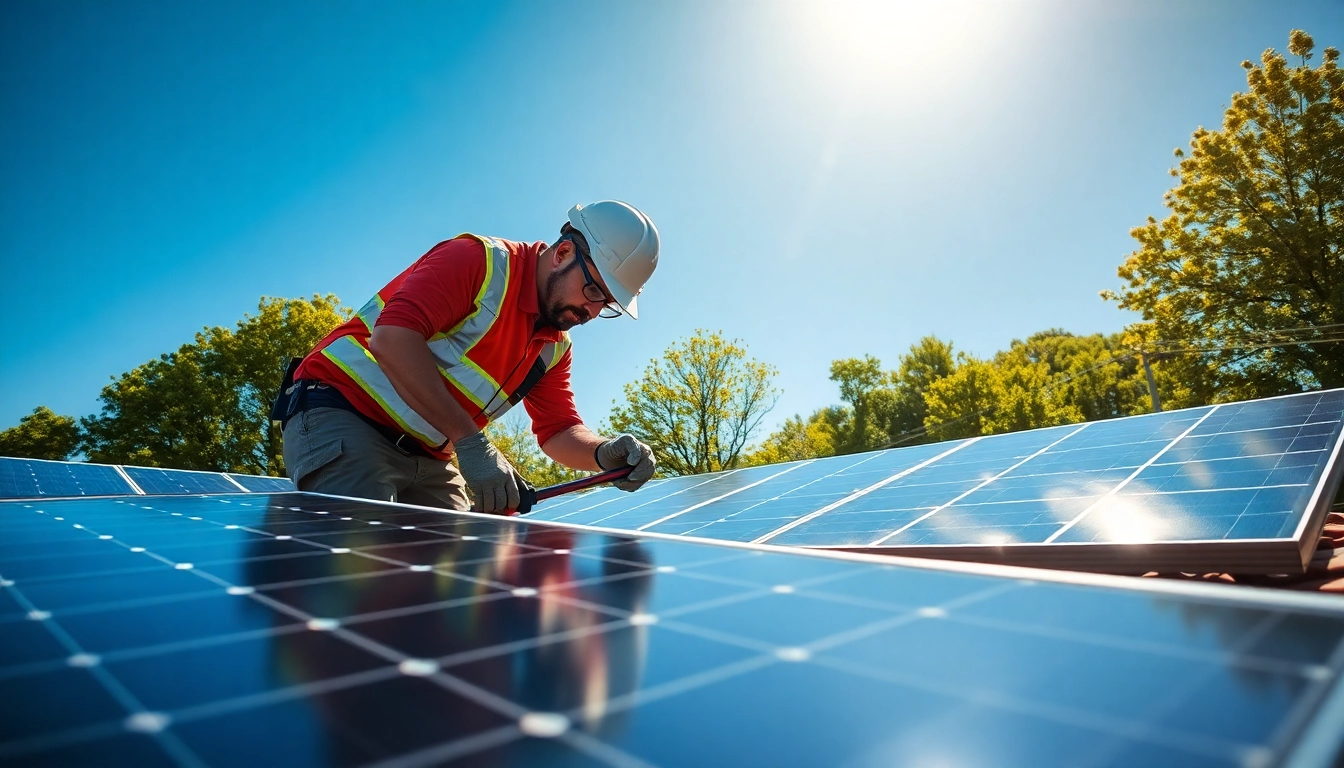
Cost Considerations for Emergency Solar Panel Repair
The cost of emergency solar panel repairs can vary widely depending on the nature of the issue, labor rates, and parts required. Understanding these factors can help you budget accordingly.
Breakdown of Repair Costs
Costs typically associated with emergency solar panel repairs can include:
- Service Call Fee: Many companies charge for the technician's visit, which can range from $75 to $150.
- Parts Replacement: Costs for parts like inverters or panels can range from a few hundred to several thousand dollars.
- Labor Costs: Labor can also add to total expenditures, often ranging from $50 to $100 per hour depending on local rates and the complexity of the repair.
Insurance and Warranty Factors
Insurance and warranty can play significant roles in unexpected repair costs. Review your homeowner's insurance policy, as some policies cover damage to solar energy systems. Additionally, warranties may cover certain repairs depending on the manufacturer and the conditions outlined within.
Budgeting for Future Repairs
Set aside a portion of your annual budget for routine maintenance and unexpected repairs. This proactive approach ensures you are prepared financially should an emergency situation occur, protecting your investment in solar energy.
Maximizing Longevity and Performance Post-Repair
After addressing any emergency repairs, there are several strategies to maximize the longevity and efficiency of your solar system.
Routine Maintenance Strategies
Regular maintenance is essential to keep your solar system running effectively. This includes periodic cleaning of the solar panels, inspecting wiring and connections, and ensuring inverters are functioning smoothly. A maintenance schedule of bi-annual checks is advisable to catch any potential issues before they become emergencies.
Upgrading Components for Better Resilience
Consider upgrading components, particularly your inverter and mounting systems, to those specifically designed for maximum durability and efficiency. High-quality upgrades can improve system resilience against weather impacts and lower the likelihood of mechanical failures.
Building an Emergency Action Plan
Having an emergency action plan ensures that you know what steps to take when issues arise. This plan should outline whom to contact, immediate safety measures to undertake, and the process for assessment and repair post-emergency. Regular drills can help residents remain prepared.
Frequently Asked Questions
What is considered an emergency with solar panels?
An emergency is any serious malfunction that leads to a complete system failure, risks electrical hazards, or poses safety threats to users, necessitating immediate professional intervention.
How long does emergency solar panel repair take?
The time required for emergency repairs varies by issue, ranging from a few hours for minor fixes to several days for extensive damage not typically found in standard inspections.
Can I repair my solar panels myself?
While minor maintenance is doable, significant repairs should always be carried out by professionals due to the inherent risks associated with electricity and specialized knowledge required for safe operation.
How can I prevent solar panel emergencies?
Regular inspections and maintenance, cleaning panels, ensuring proper installation, and monitoring system performance are key steps toward preventing emergencies in solar energy systems.
What should I do if I notice panel damage?
If you notice panel damage, immediately cease operation of the affected system. Secure the area and contact a professional for evaluation and repair to ensure safety and restore function.