Understanding Attractiveness: What Does It Mean?
Attractiveness is a multifaceted concept that encompasses a blend of physical, psychological, and social factors. In today's digital era, where self-image can be significantly influenced by social media and technology, understanding attractiveness has become more relevant than ever. Societal standards often fluctuate, leaving individuals questioning their appeal. Thus, tools that allow people to test attractiveness are gaining popularity, offering insights not just about physical beauty but also about deeper psychological aspects.
Defining Attractiveness in Modern Culture
Attractiveness is subjective and varies across cultures and time periods. What one culture considers attractive, another may not. For instance, while Western beauty standards often emphasize thinness, other cultures may value curvier body types. Moreover, contemporary discussions about attractiveness have shifted to include qualities like confidence, charisma, and emotional intelligence, reflecting a deeper understanding of what it means to be appealing.
The Science Behind Facial Attractiveness
Research indicates that there are certain universal standards of beauty derived from biological factors. These include facial symmetry, skin clarity, and proportionality—essentially, features that align with the "golden ratio." The brain is hardwired to recognize patterns, and a symmetrical face is often perceived as more attractive because it signals genetic health. However, personality traits and individual charisma also play a significant role.
Common Misconceptions About Attractiveness
Many people equate attractiveness solely with beauty, limiting their understanding of its true essence. However, attractiveness is not just skin deep. Misconceptions abound; for instance, the idea that attractiveness is unchangeable overlooks the significant impact of confidence and self-presentation. An attractive person often possesses a unique aura that extends beyond physical characteristics.
How to Test Attractiveness Effectively
As more individuals seek validation of their appeal, various methods and technologies are emerging to help people assess their attractiveness. Understanding how these tests work can help you gauge your appeal more accurately and boost your self-image.
Exploring Different Methods to Test Attractiveness
There are several ways to assess attractiveness, ranging from informal social feedback to professional evaluations. Some common methods include:
- Self-Assessment: Reflecting on personal feelings about one's appearance and receiving feedback from trusted friends.
- Peer Reviews: Engaging in group settings where attractiveness is discussed can provide insights into how one is perceived.
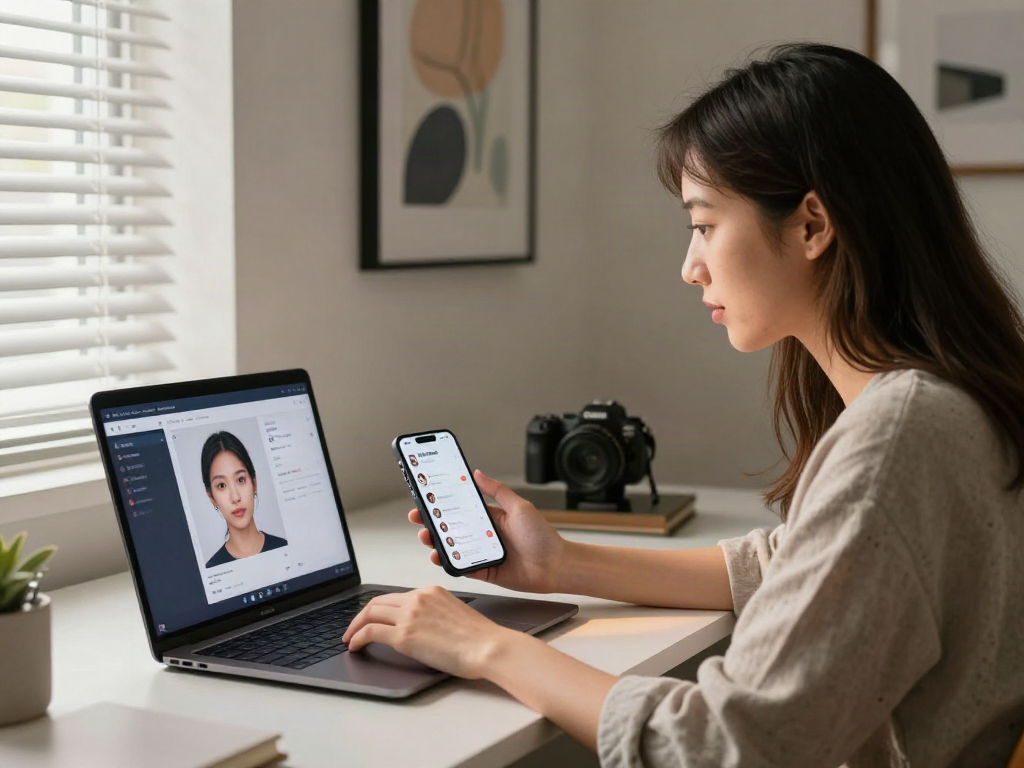
- Online Attractiveness Tests: Numerous platforms allow users to upload their photos and receive ratings based on different beauty metrics.
AI Technology and Attractiveness Assessment
Advancements in artificial intelligence are revolutionizing how we perceive beauty. AI-driven tools analyze facial dimensions and can even detect emotional expressions, providing a score based on predefined aesthetic criteria. These evaluations can help users understand the factors that contribute to their attractiveness.
Accuracy: Can Tests Really Measure Attractiveness?
While many online tools provide ratings, their accuracy can vary significantly. Factors such as lighting, angle, and even the quality of the photo can influence the results. The subjectivity inherent in beauty makes it difficult for any test to deliver a conclusive score. However, when used for personal insight rather than absolute judgment, these tests can be helpful.
Interpreting Your Attractiveness Score
Receiving your attractiveness score can evoke various emotions, from excitement to disappointment. Understanding these scores in context is essential for building a healthy self-image.
Understanding Your Results: What They Mean
Attractiveness scores typically range from 1 to 10 or are measured on a 100-point scale. Higher scores generally indicate a favorable perception. However, it's crucial to remember that your score does not define your worth. Instead, it offers a perspective that you can use to reflect and improve upon.
Using Your Score to Boost Confidence
Rather than allowing a low score to dishearten you, use it as a motivational tool. Identify areas for growth, whether related to grooming, style, posture, or social interactions. Engage in self-improvement activities that enhance your overall presence and charisma, fostering a positive and confident self-image.
Common Reactions to Attractiveness Scores
People have varied reactions to receiving their attractiveness scores. Some may feel empowered and inspired to enhance their physical appearance, while others might experience feelings of inadequacy. It's crucial to approach these scores with a balanced mindset, viewing them as part of a larger journey toward self-discovery and personal development.
Trends in Attractiveness Assessment for 2026
As technology and societal norms evolve, so do the methods of assessing attractiveness. Here are some expected trends shaping the future of attractiveness assessments.
Emerging Technologies in Facial Analysis
In 2026, we anticipate that facial recognition technology will be even more sophisticated, providing deeper insights into personality traits linked to attractiveness. This could involve analyzing emotion recognition, not just facial features, which could lead to a holistic understanding of beauty.
The Growing Influence of Social Media on Attractiveness Perception
Social media continues to shape societal standards of beauty, often promoting unrealistic ideals. As platforms evolve, so will users’ perceptions of their attractiveness, fueling an ongoing dialogue about self-worth and validation in the digital age. People may increasingly turn to online tools to test attractiveness as a means of gauging their appeal amidst a sea of curated images.
Future Predictions: What Will Attractiveness Testing Look Like?
Looking ahead, aesthetic standards will likely continue to diversify, reflecting a wider acceptance of various body types and beauty ideals. AI will play a pivotal role in this evolution, not only in evaluating physical attributes but also in understanding the psychological components of attractiveness, such as confidence and approachability.
Frequently Asked Questions
How can I test my attractiveness?
You can test your attractiveness through self-assessment, peer reviews, or online attractiveness tests that analyze your facial features.
Is 7 out of 10 considered attractive?
While a score of 7 is generally perceived as attractive, attractiveness is subjective and influenced by individual preferences and cultural norms.
Is there an accurate attractiveness test?
Accuracy varies by test; while some online platforms use advanced algorithms, external factors may affect the reliability of results.
Is a 6.5 out of 10 attractive?
A score of 6.5 can be perceived as attractive, though perceptions of beauty differ widely among individuals.
What factors influence attractiveness scores?
Factors include facial symmetry, skin quality, and societal standards, alongside individual personality traits such as confidence and charm.