
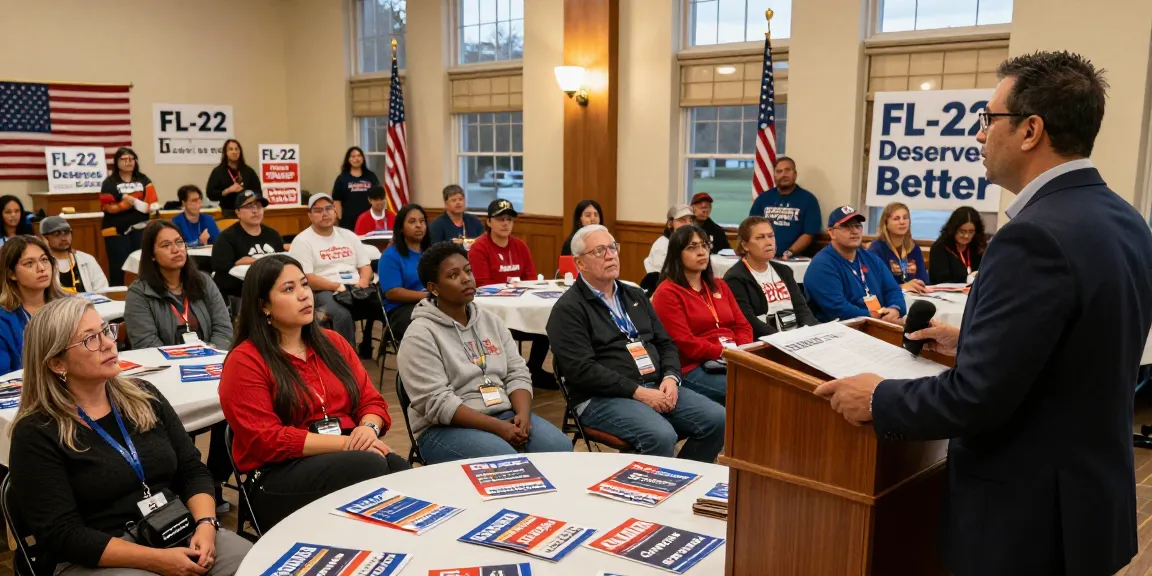
Understanding Casey Askar's Background
In the landscape of Florida politics, Casey Askar represents a controversial figure as he campaigns for the newly redrawn 22nd Congressional District. A businessman with a complicated past, Askar’s candidacy has raised numerous questions regarding his integrity, military claims, and community ties. When exploring options, Casey Askar presents himself as a decorated Marine and Harvard-trained businessman; however, these assertions have been met with skepticism. Understanding his background and the allegations surrounding him is critical for voters as they evaluate their options for representation in Congress.
Who is Casey Askar?
Casey Askar, whose legal name is Kousay Askar, is an Iraqi-born franchise owner in the fast-food sector, primarily known for operating a chain of Dunkin' stores. He has made headlines not only for his business ventures but also for his contentious political aspirations. Askar's campaign narrative paints him as an immigrant success story and a staunch defender of conservative values. However, his journey to the political arena has been plagued by allegations of misconduct and deceit, particularly regarding his past and financial dealings, which demand a closer examination.
The Notable Controversies and Allegations
The path leading to Askar’s candidacy has not been straightforward. In 2020, during his first run for Congress in Florida's 19th district, Askar spent an astonishing $3.66 million and ultimately lost to Byron Donalds. Several controversies emerged from this campaign, including accusations surrounding a zero-interest loan he received and doubts about his military service claims. As the current race unfolds, these past controversies are resurfacing, igniting debates about transparency, trustworthiness, and ethical standards in political candidacy.
Legal and Ethical Concerns Surrounding Askar
Askar's candidacy raises substantial legal and ethical concerns, particularly in light of previous allegations that have surfaced since his initial campaign. Each of these points must be explored thoroughly to understand the implications for both Askar and the voters of FL-22.
The Sham Divorce: What Happened?
One of the most alarming allegations against Askar is related to his divorce from his first wife. Reports claim that he orchestrated a 'sham divorce' to shield assets from creditors. This legal maneuvering not only severed ties with his wife of 14 years but also left his family in a precarious financial situation. Documents reveal that he concealed this divorce from not only his wife but also from their children for years, ultimately cutting them off and evicting them from their home. Such actions paint a picture of deception that many argue contradicts Askar's portrayal as a family-values conservative.
FEC Complaints: Analyzing the $3 Million Loan
Further complicating Askar’s candidacy are the Federal Election Commission (FEC) complaints linked to a suspicious $3 million loan he secured at zero percent interest. This loan was provided by a bank whose CEO is also a noted donor to Askar’s campaign, raising questions about the nature of their relationship and the transparency of the loan's terms. Askar's inability to satisfactorily explain the financial discrepancies led to calls for an investigation, and the ongoing scrutiny suggests that voters should remain wary of his financial dealings as they consider his candidacy.
Military Service Claims: Separating Fact from Fiction
Askar has frequently touted his military service as a cornerstone of his campaign. However, when challenged to provide proof, he failed to produce necessary documents for over three months. Eventually, records confirmed that he was discharged from the Marine Corps as a Private after four years of service, which raises significant doubts about his claims of being a decorated veteran. This controversy resonates deeply with veteran communities in Florida, who expect representatives to have an authentic connection to military service.
Local Perspectives: Voter Sentiments in FL-22
As the political landscape shifts, understanding local voter sentiments is crucial for gauging support for any candidate, including Askar. The dynamics of the community in FL-22 play a significant role in shaping electoral outcomes, and the current atmosphere reflects skepticism toward candidates with questionable backgrounds.
Understanding the Community’s Values
The voters of FL-22 have traditionally aligned with conservative values that emphasize transparency, community involvement, and integrity. A candidate's ability to connect with these values is paramount for gaining their trust and support. Askar's past behaviors, particularly the allegations of deceit and manipulation, starkly contrast the principles championed by the community.
Comparative Analysis: Askar vs. Other Candidates
In the race for FL-22, Askar faces opposition from candidates who boast solid community roots and transparent records. For instance, Belinda Keiser, another prominent name in the race, presents herself as a candidate with deep ties to the local community and a commitment to serving the residents of the district. This contrast is likely to play a significant role in voter decision-making as they compare the candidates' qualifications and integrity.
How Allegations Impact Voter Trust
Allegations against Askar have already begun to shape voter perceptions, highlighting the critical role that trust plays in political candidacy. Misinformation or attempts to mislead constituents can have long-lasting impacts on a candidate's reputation. As such, Askar's history of controversy poses a significant barrier to establishing the trust necessary to win a competitive election.
Effective Campaign Strategies for 2026
As we look ahead to the upcoming elections, particularly with the 2026 campaigns on the horizon, candidates can glean valuable lessons from Askar's previous campaign strategies. Understanding what resonates with voters, as well as what drives them away, is essential for crafting a successful campaign.
Lessons from Casey Askar's Previous Campaign
Askar’s previous attempt at winning a congressional seat provides a rich case study on campaign missteps. The failure to respond effectively to allegations, coupled with a lack of community involvement, can alienate voters. Future candidates should focus on transparency and community engagement, emphasizing their genuine connection to the issues that matter to residents.
Best Practices for Ethical Campaigning
Ethical campaigning should always prioritize honesty and integrity. Clear communication about one’s background, qualifications, and intentions fosters trust among constituents. Candidates should be prepared to answer questions about their past openly and constructively, rather than resorting to legal action as Askar has done in the past.
Engaging Local Communities: Real Connections
Building authentic relationships within the community is critical for any candidate aiming to win a congressional seat. Engaging with local residents through events, open forums, and discussions about key issues can help to deepen the candidate's understanding of the community's needs, ultimately translating into a more effective representation.
Looking Ahead: The Future of FL-22 Elections
As the landscape of Florida politics continues to evolve, several trends are shaping the future of elections in FL-22. Understanding these trends and potential shifts in voter behavior will be crucial for candidates looking to secure a seat in Congress.
Trends Influencing Voter Behavior in 2026
Increased scrutiny of candidates’ backgrounds, ethics, and community involvement has become more pronounced among voters. As access to information grows, so does the demand for accountability from those seeking public office. Candidates must be prepared to not only present their qualifications but also defend their actions and decisions, particularly when controversies arise.
Potential Candidates: Who Will Rise?
Several individuals are emerging as potential frontrunners for the next election cycle, including candidates with robust community ties and transparent records. As these candidates emerge, they will likely focus on addressing the issues that matter most to FL-22 constituents, such as healthcare, education, and economic development, distinguishing themselves from candidates like Askar.
Strategies for Addressing Past Controversies
For candidates with controversies in their past, honest acknowledgment and proactive measures to address these issues can be pivotal. Articulating lessons learned and demonstrating growth can help mitigate past criticisms and reassure voters of a candidate's commitment to integrity moving forward.
What are the main controversies surrounding Casey Askar?
Askar’s campaign has been marred by various controversies, including allegations of a sham divorce to hide assets, a suspicious $3 million loan, and questionable claims regarding his military service. Each of these elements feeds into a larger narrative that may influence voter perception and acceptance.
How does Casey Askar's campaign strategy differ from others?
While many candidates focus on grassroots engagement and community relations, Askar’s campaign has relied heavily on financial investment and a somewhat detached approach. This divergence may alienate voters who prioritize personal connection and authenticity in their representatives.
What lessons can be learned from Casey Askar's previous attempts?
Future candidates can learn essential lessons regarding the importance of transparency, community engagement, and authentic communication. Building a credible base of support requires more than just monetary investment; it necessitates genuine connectiveness with voters and their concerns.
How have voters reacted to Casey Askar’s allegations?
Reactions have varied, but a significant segment of the electorate appears skeptical of Askar's claims and his past. This skepticism is likely to translate into diminished support as voters increasingly prioritize integrity and authenticity in their candidates.
What does the future hold for elections in FL-22?
The future of FL-22 elections will be defined by candidates’ ability to connect with voters, address ethical concerns, and establish trust. The rise of informed voters who demand accountability suggests that candidates will need to adopt more transparent and community-focused approaches to secure electoral success.