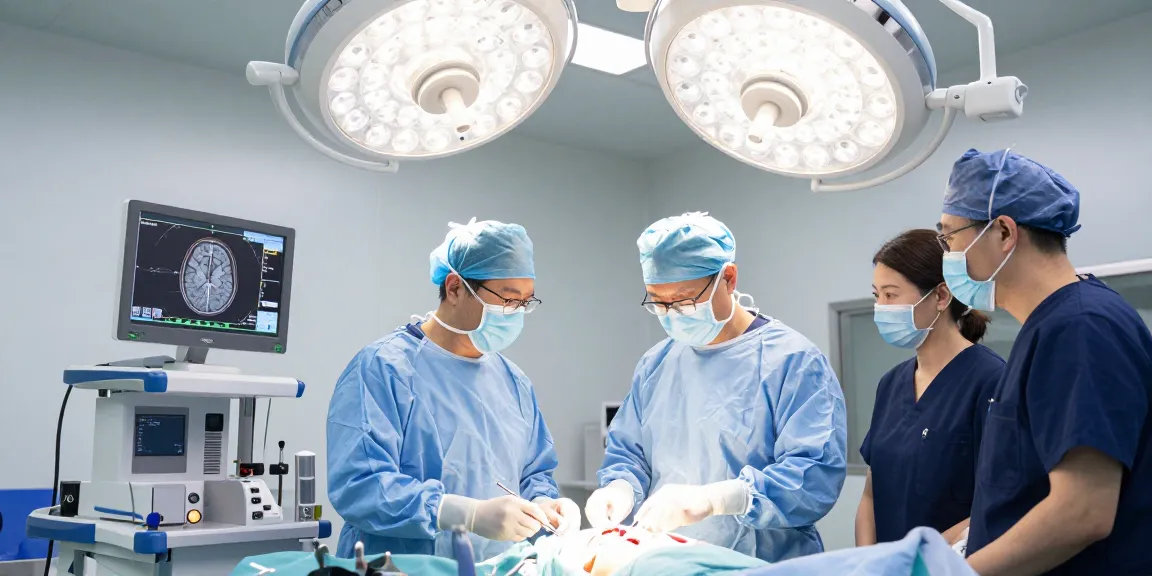
Understanding Brain Surgery
Brain surgery, known as Beyin ameliyatı in Turkish, encompasses a range of complex procedures aimed at treating conditions affecting the brain. This surgical intervention is critical for conditions like brain tumors, brain hemorrhages, and other neurological disorders. With advancements in technology, modern brain surgery has become safer and more effective, allowing surgeons to access delicate areas of the brain with precision. This article will provide comprehensive insights into the different types of brain surgeries, preparation steps, surgical processes, recovery protocols, and factors that influence surgery costs.
What is Beyin Ameliyatı?
Beyin ameliyatı refers to various surgical procedures performed on the brain to treat a range of conditions, including tumors, traumatic injuries, and vascular issues. It can involve different techniques, either invasive or minimally invasive, depending on the underlying condition and its severity. Understanding the specific type of surgery needed is crucial for the patient, as each procedure has distinct risks and recovery processes.
Types of Brain Surgery Procedures
- Craniotomy: A common procedure that involves temporarily removing a portion of the skull to access the brain. This technique is often used for tumor removal.
- Endoscopic Surgery: Minimally invasive procedures performed using an endoscope to treat conditions such as pituitary tumors, accessed through the nasal cavity.
- Awake Craniotomy: A surgical technique where the patient is awake during the operation to help the surgeon avoid critical areas of the brain responsible for vital functions like speech and movement.
- Brain Biopsy: A procedure to obtain tissue samples from abnormal areas in the brain to diagnose conditions.
- Decompressive Craniectomy: Removal of a portion of the skull to allow a swollen brain to expand without being compressed.
Common Conditions Treated with Brain Surgery
Brain surgery is commonly indicated for several conditions, including:
- Brain Tumors: Both malignant and benign tumors can be surgically removed to alleviate symptoms and improve quality of life.
- Brain Hemorrhages: Surgical intervention may be necessary to relieve pressure caused by bleeding within or around the brain.
- Aneurysms: Surgical clipping or endovascular coiling can prevent life-threatening ruptures.
- Epilepsy: In cases where seizures are resistant to medication, surgical options may be explored, including tissue removal.
Preparing for Surgery
Preparation for brain surgery involves several critical steps to ensure the best possible outcomes. This phase includes comprehensive evaluations, discussions about the surgery itself, and addressing any patient concerns. For reliable information on what to expect during this process, Beyin ameliyatı offers extensive details tailored for patients.
Pre-operative Assessment
Prior to surgery, patients undergo a thorough assessment, which includes medical history reviews, neurological examinations, imaging tests like MRI or CT scans, and blood tests. This evaluation helps the surgeon determine the best course of action and prepares the patient for the upcoming procedure.
Understanding Surgical Risks
All surgical procedures carry inherent risks. For brain surgery, potential complications include:
- Infection
- Bleeding
- Neurological deficits
- Seizures
Patients should discuss these risks with their surgical team to make an informed decision regarding their treatment.
What to Expect on Surgery Day
On the day of the surgery, patients should arrive early to allow time for preoperative preparations. Anesthesia will be administered, and the surgical team will explain the procedure steps. Patients can expect to stay in the hospital for monitoring following their surgery.
The Surgical Process
The surgical procedure itself can vary significantly based on what is being treated. For instance, craniotomies may last several hours, whereas minimally invasive procedures may be quicker.
Step-by-Step of the Beyin Ameliyatı
The process typically involves the following steps:
- Anesthesia: Patients receive either general anesthesia or local anesthesia with sedation.
- Incision: The surgeon makes an incision to access the brain, either through the scalp or the nasal cavity.
- Procedure: The specific surgical action is performed, such as tumor removal or the repair of blood vessels.
- Closure: The incision is carefully closed, and the patient is monitored in a recovery area.
Advanced Techniques in Brain Surgery
Modern brain surgery employs various advanced techniques to enhance safety and efficacy:
- Neuro-navigation: This technology provides surgeons with real-time imaging during procedures, improving accuracy.
- Robotic Surgery: Utilizes robotic arms for precision in delicate operations.
- Awake Surgery: As mentioned, enables surgeons to interact with patients during critical tasks.
Anesthesia Used in Brain Procedures
Choosing the appropriate anesthesia is critical for brain surgery. It can be general anesthesia, where the patient is completely unconscious, or local anesthesia combined with sedation. The choice depends on the procedure type, patient's health, and potential surgery duration.
Recovery After Brain Surgery
Post-operative recovery is a vital phase for patients undergoing brain surgery. The extent of recovery can vary significantly depending on individual circumstances, including the type of surgery performed and the patient’s overall health.
Post-operative Care and Monitoring
Patients are typically monitored in a recovery area for vital signs, neurological status, and any signs of complications. Ensuring adequate pain management and cognitive function is a priority during this period.
Managing Side Effects and Complications
Common side effects post-surgery may include fatigue, headaches, nausea, and temporary memory loss. Patients should communicate openly with their healthcare team about any discomfort or concerns experienced during recovery.
Rehabilitation Process
Rehabilitation may involve physical therapy, occupational therapy, and psychological support to assist patients in regaining independence and normal functionality. Each patient’s rehabilitation plan is tailored to their specific recovery needs.
Costs and Insurance Coverage
The costs associated with brain surgery can vary widely based on factors such as the surgical technique used, the hospital's location, and the patient’s insurance coverage. Understanding the financial aspects is crucial for those facing surgery.
Factors Affecting Beyin Ameliyatı Costs
Several factors can influence the costs of brain surgery:
- The complexity and duration of the surgical procedure.
- The facility where the surgery is performed.
- Surgeon fees and any additional specialists involved.
Insurance Policies and Coverage Details
Patients should consult their insurance providers to understand coverage details and any out-of-pocket expenses they may incur. Many hospitals provide assistance through financial counselors who can help with navigating insurance benefits.
Financial Assistance Options for Patients
For patients without adequate insurance coverage, hospitals often offer financial assistance plans to help manage the costs of surgery. Exploring these options can relieve some of the financial burdens associated with medical care.
What Are the Risks Associated with Brain Surgery?
While brain surgery can be life-saving, it is not without risks. Patients should be aware of potential complications, which can range from minor issues to more severe outcomes, including neurological deficits.
How Long Does Recovery from Brain Surgery Take?
Recovery times can vary greatly depending on the type of surgery performed and the individual patient's health status. Many patients start to feel better within a few weeks, but complete recovery may take several months to a year.
What Should I Know About Potential Complications?
Understanding potential complications, such as seizures, infections, or neurological problems, is crucial. Patients are encouraged to have detailed discussions with their surgeon regarding these risks before the procedure.
How Are Brain Tumors Diagnosed Before Surgery?
Brain tumors are typically diagnosed through imaging techniques such as MRI or CT scans, followed by biopsies if necessary to determine the tumor type and appropriate treatment options.
What Role Do Advanced Technologies Play in Operations?
Advanced imaging and surgical technologies significantly enhance the precision and safety of brain surgery. For more information, Beyin ameliyatı offers valuable insights. These tools allow surgeons to minimize damage to healthy brain tissue while effectively addressing the targeted areas.