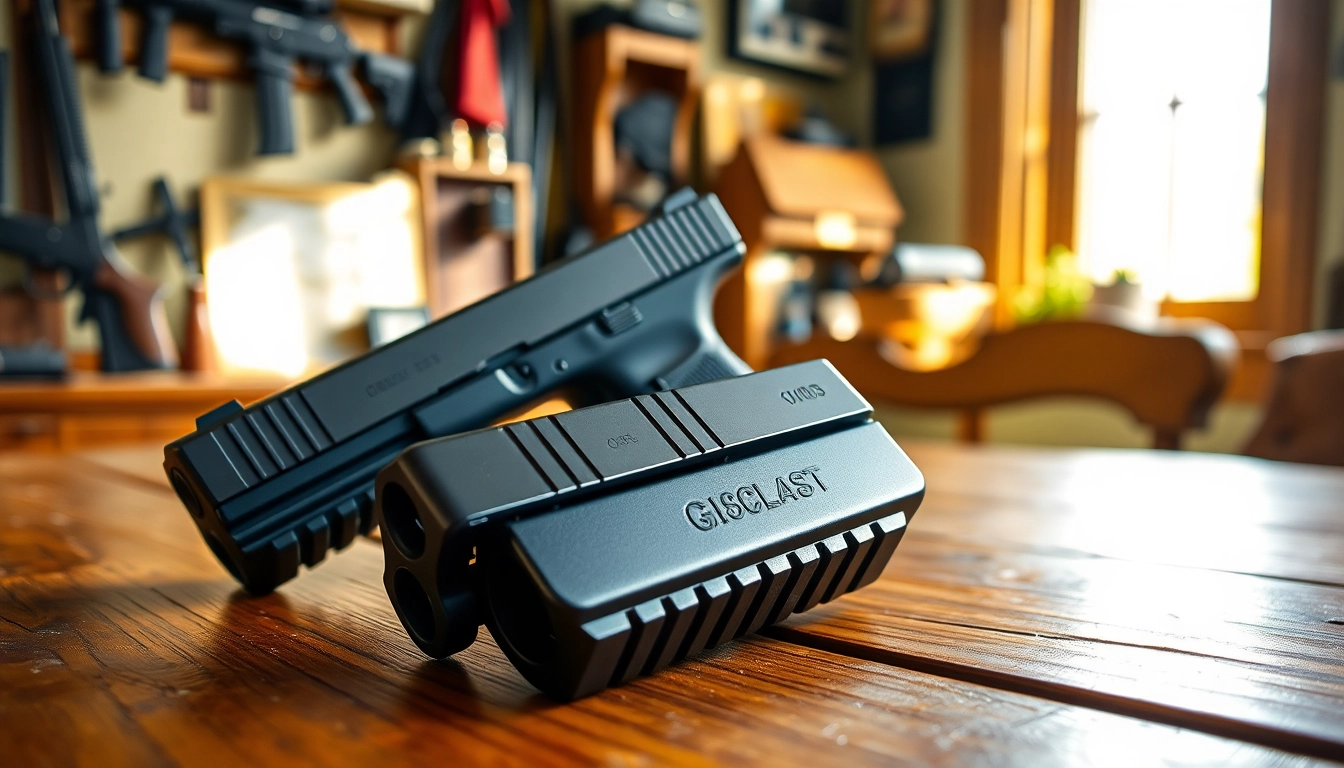
Understanding Glock 17 Slides
What Are Glock 17 Slides?
Glock 17 slides are an integral part of the Glock pistol design, specifically crafted for the Glock 17 model. These slides serve as the top portion of the handgun that houses the barrel, recoil spring, and firing mechanism. The slide's function is crucial as it facilitates the cycling of rounds—ejecting spent casings and chambering new ammunition during firing. In essence, the slide plays a pivotal role in the handgun's reliability and performance. Simply put, it is the host for many of the most critical components of the Glock 17, including the sights and optics that may be mounted. To explore a selection of Glock 17 slides, check out the glock 17 slides available today.
Materials Used in Glock 17 Slides
The construction materials of Glock 17 slides greatly influence their overall performance, durability, and reliability. Most factory slides are typically made from high-quality steel, treated to enhance corrosion resistance and strength. High-carbon steel is commonly employed due to its favorable balance of hardness and toughness, which is crucial when handling the stresses of repeated firing and cycling. Additionally, the use of materials like stainless steel is growing in popularity among aftermarket manufacturers due to its superior resistance to rust and wear. Some manufacturers may employ aluminum or polymer, particularly in custom or lightweight slide options, which can drastically affect weight and handling characteristics while maintaining the structural integrity needed for shooting precision. Understanding the materials at play can help consumers choose a slide that matches their intended use, whether for target shooting or tactical applications.
Importance of Slide Design
The design of a Glock 17 slide is not merely aesthetic; it significantly impacts performance. Slide design encompasses various factors, including weight distribution, serration patterns for grip, and cuts for optics or accessories. Effective serrations promote easier manipulation during slide racking, especially under stress. Additionally, features like the window cuts—strategically placed openings—can reduce weight while offering visual feedback on chamber status. Custom slides with unique designs may also provide enhanced aerodynamics, reducing resistance during operation. A well-designed slide can also contribute to the customization of a Glock, allowing shooters to personalize their firearms to fit their shooting style better, thus enhancing overall accuracy and control during use.
Performance Features of Glock 17 Slides
Accuracy Enhancement Capabilities
Accuracy is paramount in any shooting scenario, and the slide plays a crucial role in achieving optimal performance. The slide's fit on the frame is essential—tight tolerances between the two components contribute to reduced play, enhancing consistency with every shot. Many shooters upgrade to aftermarket Glock 17 slides that offer better precision through improved machining processes and quality control. Features like optic mounts provide the opportunity to equip the pistol with advanced sights, aiding target acquisition and shooting accuracy. Moreover, upgrades such as porting in the slide can reduce muzzle rise and allow quicker follow-up shots, demonstrating how a thoughtfully designed slide can enhance precision despite the shooter's skill level.
Impact of Weight Distribution
Weight distribution in handguns is crucial for stability and control when firing. A properly weighted slide can help maintain the firearm's balance, reducing felt recoil and enabling shooters to stay on target more accurately. Lighter slides, which may be achieved through cuts or materials like aluminum, can improve speed in operation, especially during rapid fire. However, they may introduce additional recoil management challenges. Depending on the shooter's preference, heavier slides might offer more stability during shooting but can lead to slower cycle times. Therefore, understanding how weight affects overall performance will assist users in choosing a slide that aligns with their shooting objectives.
Customizing Performance with Aftermarket Components
Aftermarket components provide an array of opportunities for customizing Glock 17 performance. Beyond just slide upgrades, shooters can explore modifications like enhanced recoil spring systems, upgraded barrels, and improved sights—all working harmoniously to elevate the shooting experience. For example, match-grade barrels may increase accuracy significantly, especially when paired with an expertly designed slide that accommodates these enhancements. Shooters who seek to tailor their Glock 17 for competition or personal defense needs can delve into aftermarket offerings that prioritize their specific performance requirements. By understanding the interplay between various components, enthusiasts can build a firearm that truly meets their demands.
Choosing the Right Glock 17 Slides
OEM vs. Aftermarket Options
When selecting a slide for the Glock 17, shooters must decide between OEM (original equipment manufacturer) and aftermarket options. OEM slides are designed and manufactured by Glock to maintain reliability and compatibility with the handgun's specifications. They offer peace of mind regarding quality and performance standards. However, the aftermarket sector has exploded, providing a wide array of choices that can enhance aesthetics and functionality. Aftermarket slides often come with improvements like cuts for optics or personalized designs, appealing to users seeking customization. Choosing between OEM and aftermarket slides boils down to personal preference, intended use, and desired features.
How to Assess Compatibility
Compatibility is key when choosing Glock 17 slides, especially for aftermarket options. First, ensure that any slide fits the specific generation of the Glock model, as variances exist between generations in dimensions and features. It is also critical to consider the barrel length and recoil spring specifications to ensure proper operation. Additionally, assess the compatibility of any optics or accessories that may be mounted. Reading product descriptions carefully and consulting with knowledgeable vendors can guide consumers toward making informed purchases that will integrate seamlessly with their existing firearm setups.
What to Consider for Tactical Use
When gearing a Glock 17 for tactical use, several considerations come into play. First, reliability is non-negotiable—choosing a slide specifically designed for optimal performance under stress is essential. Features like serrations and cuts for optics become even more important in a tactical setup, where speed and accuracy are crucial. Moreover, shooters should consider how the slide's weight and design impacts maneuverability and draw speed. Additional enhancements, like porting, can help control recoil, critical in high-pressure scenarios. Evaluating these factors ensures that the selected slide supports the tactical goals of the user and performs effectively in dynamic environments.
Installation and Maintenance Tips
Step-by-Step Installation Guide
Installing a Glock 17 slide can seem daunting, but following a systematic approach can simplify the process. Here’s a basic step-by-step guide:
- Gather Necessary Tools: Prepare tools like a punch tool, hammer, and a bench block.
- Remove the Old Slide: Unload the handgun and ensure it is safe before removing the existing slide. This involves capping or pulling back the takedown lever.
- Install the New Slide: Align the new slide with the frame and push it backward until it locks into place.
- Test Functionality: Slide the action to ensure it operates smoothly. Perform a function check to confirm proper operation.
For those unfamiliar with firearm maintenance, consulting a professional gunsmith is always a wise option.
Routine Maintenance Practices
Maintaining a Glock 17 and its slide is essential for longevity and reliability. Routine practices should include cleaning after use. Use a gun cleaning solvent and brush to remove carbon residue and lubricate contact points lightly to reduce friction. Inspect the recoil spring assembly and trigger mechanism for wear periodically. Regular maintenance ensures the Glock 17 operates at peak performance and reduces the likelihood of malfunctions during critical moments.
Troubleshooting Common Issues
Common issues with Glock 17 slides may include jamming, misfires, and difficulties in slide manipulation. If a jam occurs, check for obstructions in the magazine or chamber. If misfires are frequent, inspect the firing pin and extractor for wear. If slide manipulation is problematic, ensure the serration design suits your grip style. If problems persist, professional evaluation is encouraged to identify any underlying mechanical issues.
FAQs About Glock 17 Slides
What slides can be compatible with a Glock 17?
A variety of slides can fit a Glock 17, including OEM and aftermarket options. Ensure compatibility by checking specifications per Glock's generation and features like optic cuts.
Is it necessary to upgrade my Glock 17 slide?
Upgrading is not necessary but can enhance performance, aesthetics, and customization options. Aftermarket slides may offer features beneficial for specific shooting styles.
Can I install the slide myself?
Yes, with the right tools and following a proper installation guide, many users can safely install a slide themselves. Consulting a gunsmith is also an option if unsure.
How should I clean my Glock 17 slide?
Use a cleaning solvent and brush to remove carbon deposits. Apply a light coat of lubricant to contact points to ensure smooth operation.
Where can I purchase quality Glock 17 slides?
Quality Glock 17 slides can be found at specialized gun parts retailers, both online and in local stores. Look for reputable sources that provide detailed product descriptions.