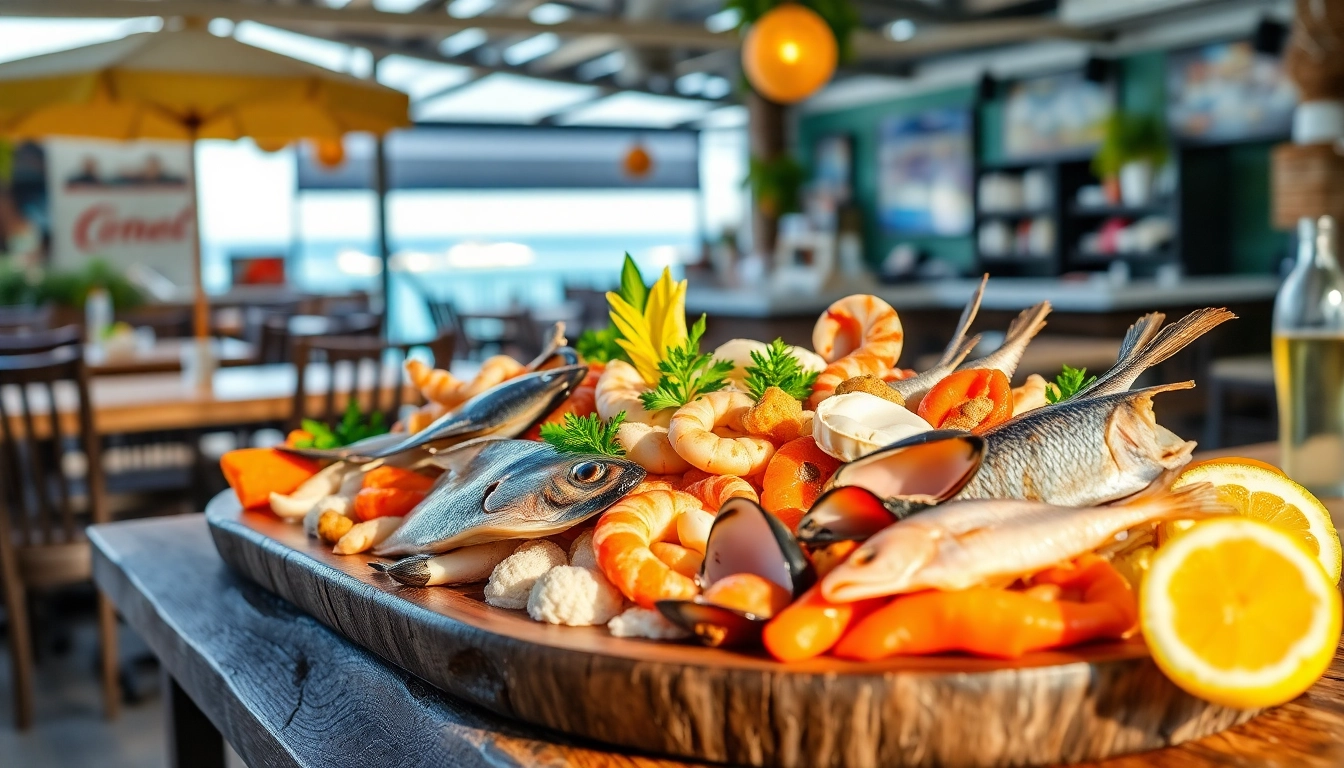
Understanding the Role of a Wholesale Seafood Supplier for Restaurants
In the dynamic world of restaurant management, sourcing high-quality seafood is paramount. Establishing a solid relationship with a Wholesale seafood supplier for restaurants can significantly impact menu offerings, customer satisfaction, and overall operational efficiency. In this comprehensive guide, we delve into the essential aspects of wholesale seafood supply and its importance for restaurateurs.
What is a Wholesale Seafood Supplier?
A wholesale seafood supplier is a specialized distributor that provides various seafood products in bulk to restaurants, grocery stores, and food service businesses. These suppliers typically have direct access to fish markets and seafood producers, giving them the ability to offer fresher products than retail fishmongers. This kind of supplier can range from large distributors to local fishmongers who have a strong understanding of regional fish stocks.
Benefits of Partnering with a Wholesale Supplier
Working with a wholesale seafood supplier offers numerous benefits:
- Cost Efficiency: Buying in bulk through wholesalers can lead to significant cost savings compared to retail purchasing.
- Quality Assurance: Wholesalers often prioritize quality, offering fresher and better-grade seafood.
- Variety of Choices: Wholesalers provide a broader range of seafood, allowing restaurants to diversify their menus.
- Reliability: Established suppliers ensure that restaurants receive their deliveries on time and in proper condition.
- Expertise: Wholesalers are knowledgeable about seafood trends and can offer guidance on seasonal items and sourcing practices.
Key Factors to Consider When Choosing a Supplier
When selecting a wholesale seafood supplier, several key factors should guide your decision-making:
- Reputation: Research suppliers' reliability and quality through reviews and testimonials from other restaurant owners.
- Certification: Look for suppliers who maintain industry certifications that ensure ethical sourcing and high-quality standards.
- Product Range: Evaluate whether the supplier can provide both common and specialty seafood items relevant to your menu.
- Delivery Options: Consider their delivery schedules and logistics to ensure they meet your restaurant's needs.
- Customer Service: Good communication and responsive customer support are vital for a successful partnership.
Types of Seafood Offered by Wholesale Suppliers
Popular Fish Varieties for Restaurants
Wholesale seafood suppliers typically offer an extensive range of fish. Popular varieties include:
- Salmon: Renowned for its rich flavor and versatility, suitable for grilling, smoking, or baking.
- Tuna: A favorite for sushi and sashimi, with its distinctive taste and meaty texture.
- Cod: Known for its flaky texture; it’s ideal for frying, baking, or grilling.
- Snapper: Recognized for its mild flavor, making it adaptable to various cuisines.
- Haddock: Typically used in fish and chips, it has a slightly sweeter taste.
Shellfish and Specialty Seafood Options
In addition to common fish, wholesalers often stock shellfish and specialty seafood, such as:
- Shrimp: Versatile and easy to prepare, they are a staple in many dishes.
- Lobster: A luxury item that can enhance a restaurant’s menu with its high-demand appeal.
- Scallops: Known for their sweet flavor and tender texture, excellent for gourmet dishes.
- Clams and Mussels: Popular in many cuisines, these shellfish can be used in soups, pastas, and paellas.
Seasonal Seafood Trends and Availability
Seafood availability is highly seasonal, influenced by fishing regulations and the natural life cycles of marine species. Understanding these trends helps restaurants optimize their menu offerings and pricing strategies. Regularly consulting with your wholesale supplier can provide you with insights into:
- Locally sourced seafood options that change with the seasons.
- Emerging trends in seafood types that might pique customer interest.
- Special promotions for seasonal offerings to attract diners.
Quality Assurance in Seafood Supply
Sustainability Practices among Seafood Suppliers
In today’s environmentally conscious market, sustainability is critical. Many restaurants prefer to partner with suppliers who prioritize sustainable fishing practices. This includes:
- Using Responsible Sources: Suppliers should only source from fisheries that are managed to prevent overfishing.
- Supporting Aquaculture: Where appropriate, supporting farmed seafood operations that utilize eco-friendly practices.
- Transparency: Suppliers should provide insights into their supply chain and the sources of their seafood.
Certifications to Look for in Suppliers
When assessing potential suppliers, it's beneficial to look for industry certifications that validate their quality and sustainability claims. Common certifications include:
- Marine Stewardship Council (MSC): Indicates sustainable wild fisheries.
- Aquaculture Stewardship Council (ASC): Ensures sustainable aquaculture practices.
- FDA Approval: Assurance of safety standards in seafood processing and handling.
Importance of Freshness and Handling Techniques
Freshness is a non-negotiable standard in seafood supply. Poor handling techniques can lead to spoilage and affect flavor profiles. Your supplier should implement rigorous:
- Temperature Controls: Seafood must be kept at appropriate temperatures throughout storage and transportation.
- Hygienic Handling: Ensure proper sanitation practices in warehouses and during delivery.
- Packing Techniques: Use of adequate packing materials to maintain product integrity during transit.
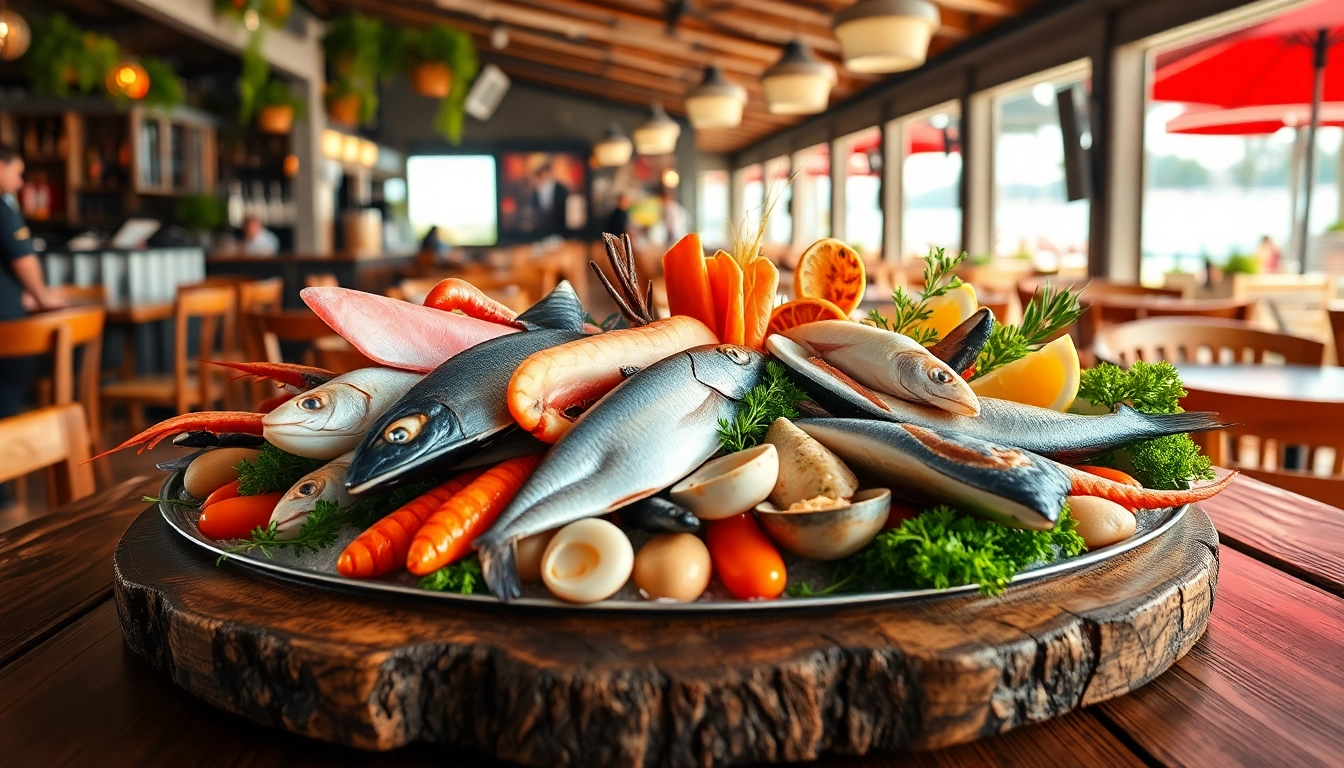
Building a Strong Relationship with Your Seafood Supplier
Effective Communication Strategies
Fostering a strong partnership with your supplier requires open and effective communication. Here are some strategies:
- Regular Check-ins: Schedule frequent discussions to stay updated on product availability and market trends.
- Feedback Channels: Provide feedback on quality and service to help your supplier improve.
- Collaborative Problem Solving: Work together to address challenges such as supply disruptions or quality concerns.
Negotiating Prices and Contracts
Negotiation is a crucial aspect of your relationship with your wholesale supplier. Key points to consider include:
- Long-term Contracts: Consider signing multi-month contracts to secure better pricing and availability.
- Volume Discounts: Negotiate prices based on expected order volumes to maximize savings.
- Flexibility Clauses: Ensure delivery schedules are adaptable to accommodate your restaurant's changing needs.
Collaborative Menu Development with Suppliers
Involving your supplier in menu development can lead to innovative offerings and strengthen your partnership. Here’s how to engage them:
- Trend Analysis: Collaborate on identifying popular seafood trends that your menu can reflect.
- Seasonal Specialties: Develop seasonal dishes that highlight fresh offerings from your supplier.
- Tasting Sessions: Organize tasting sessions to explore new products and menu ideas together.
Frequently Asked Questions about Wholesale Seafood Supply
What seafood types are typically available?
Most suppliers offer a diverse range of seafood including finfish like salmon and tuna, shellfish such as shrimp and clams, and specialty items like squid and octopus.
How can I ensure quality seafood from suppliers?
To ensure quality, choose suppliers with certifications, maintain good communication, and request product samples or specifications.
What are the benefits of sourcing locally?
Sourcing seafood locally can lead to fresher products, support the local economy, and offer unique seasonal varieties that enhance your menu.
Are there seasonal fluctuations in seafood supply?
Yes, seafood supply is heavily influenced by seasons; certain species peak during specific times of the year due to breeding cycles and environmental conditions.
What impact does sustainability have on my restaurant?
Prioritizing sustainable seafood can improve your restaurant's reputation, attract environmentally conscious customers, and contribute to the preservation of marine ecosystems.