Introduction to Research Peptides
What Are Research Peptides?
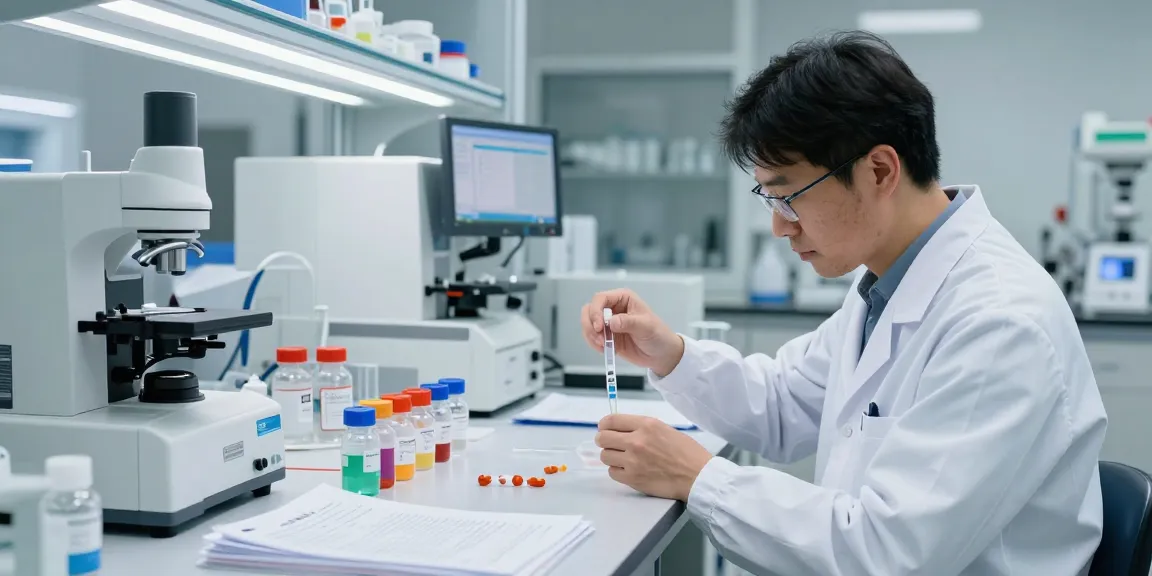
Research peptides are short chains of amino acids that play a crucial role in various biological processes. These compounds are synthesized for the purposes of research and potential therapeutic applications, as they have demonstrated unique properties that can aid in healing, recovery, and enhancing physiological functions. Unlike traditional pharmaceuticals, peptides can offer targeted actions with fewer side effects, making them a promising avenue for scientific inquiry.
Importance in Scientific Studies
In recent years, research peptides have become increasingly significant in scientific studies due to their potential to mimic the actions of natural hormones and compounds in the body. They are used to investigate pathways related to healing, growth, and cellular communication, which can lead to breakthroughs in understanding various health conditions. The knowledge gained from peptide research can pave the way for novel treatments in regenerative medicine, sports science, and beyond.
Common Types of Peptides
There is a diverse range of peptides recognized for their various biological functions. Some commonly researched peptides include growth hormone secretagogues (GHSs), insulin-like peptides, and collagen-derived peptides. Specifically, bpc-157 and tb-500 are two prominent examples that have garnered attention for their regenerative properties. Each type of peptide is studied for its specific mechanisms and applications, contributing to an ever-expanding field of research.
Exploring BPC-157
Potential Benefits of BPC-157
BPC-157, also known as Body Protection Compound-157, is a peptide that emerged from studies on gastric juices. It has demonstrated a range of potential benefits, including promoting recovery from injuries, tissue regeneration, and inflammation reduction. Clinical and laboratory trials have suggested its efficacy in treating muscle, tendon, and ligament injuries, making it a subject of interest for athletes and those undergoing rehabilitation.
Mechanism of Action
The mechanism of action of BPC-157 involves its ability to enhance the healing of tissues by stimulating angiogenesis, which is the formation of new blood vessels. This process is crucial for supplying oxygen and nutrients to damaged tissues. Additionally, BPC-157 influences growth factors and mediators that play roles in tissue repair, fostering an environment conducive to healing.
Research Highlights
Numerous studies highlight the effectiveness of BPC-157 in various therapeutic contexts. Research indicates that BPC-157 accelerates the healing of wounds, enhances muscle growth, and exhibits anti-inflammatory properties. Specifically, it has been shown to effectively repair tendon injuries and mitigate the effects of chronic pain, positioning it as a valuable compound in sports medicine and recovery protocols.
Understanding TB-500
Applications of TB-500 in Research
TB-500, or Thymosin Beta-4, is a peptide that has gained recognition for its role in healing and recovery processes. It is widely studied for its regenerative properties, particularly in relation to muscle, skin, and connective tissue repair. TB-500 is particularly noted for its ability to upregulate the expression of angiogenic factors, thereby enhancing blood circulation and cellular migration in injured regions.
Effects on Healing and Recovery
The therapeutic effects of TB-500 extend into various aspects of healing. It is believed to reduce recovery time by promoting cellular growth and reducing inflammation. Additionally, TB-500 exhibits the capacity to accelerate the healing of wounds and tissues, making it an attractive subject for research in fields ranging from sports performance to cosmetic applications.
Current Studies and Findings
Current studies continue to unveil the promising attributes of TB-500 in regenerative medicine. Trials have indicated that TB-500 can reduce muscle wasting and promote faster recovery after injuries. Its potential to improve flexibility and overall athletic performance is leading researchers to explore TB-500 for applications beyond traditional therapeutic uses.
Comparative Analysis: BPC-157 vs. TB-500
Similarities in Functionality
Both BPC-157 and TB-500 exhibit regenerative properties that have captured the interest of researchers and practitioners alike. They share a common goal: enhancing the body’s natural healing processes. Each peptide has distinct mechanisms that may complement one another in therapeutic protocols, ultimately leading to faster recovery and improved functional outcomes.
Differences in Applications
While both peptides are linked to recovery, they differ in their applications and specific effects. BPC-157 is gravitated more towards musculoskeletal healing, serving as a protector of injuries and an enhancer of tissue regeneration. In contrast, TB-500 is primarily focused on promoting cellular migration and tissue repair through its effects on the cardiovascular system, making it valuable in treating chronic injuries and enhancing overall resilience.
Choosing the Right Peptide for Research
The choice between BPC-157 and TB-500 for research purposes largely depends on the specific objectives of the study. Factors such as the type of injury, required recovery outcomes, and the desired biological response should guide researchers in this decision-making process. Evaluating the strengths and limitations of each peptide can aid in designing effective protocols tailored to particular research needs.
Future Directions in Peptide Research
Emerging Trends and Innovations
The future of peptide research holds immense potential as scientists continue to uncover new biological roles for peptides. Emerging trends include the synthesis of novel peptides through biotechnological advancements and exploring potential combinations of existing ones, such as BPC-157 and TB-500, to enhance healing capabilities. Innovations in delivery methods, such as transdermal and localized delivery systems, are also making significant strides in peptide therapy.
Potential Ethical Considerations
As with any burgeoning field, peptide research brings with it several ethical considerations. Issues such as the potential for misuse in competitive sports, the necessity for rigorous testing before clinical applications, and the informed consent of research subjects require close attention. Developing transparent guidelines and promoting responsible use of research peptides will be crucial in maintaining ethical integrity in future advancements.
Final Thoughts on Peptide Research
Research peptides like BPC-157 and TB-500 are at the forefront of regenerative medicine and various therapeutic applications. Their innovative mechanisms offer promising pathways for recovery, rehabilitation, and overall health enhancement. As this field continues to evolve, ongoing research will likely bring forth new insights and applications that capitalize on the unique properties of specific peptides, paving the way for improved therapeutic options across numerous medical domains.
FAQs About Research Peptides
What are research peptides?
Research peptides are short amino acid chains used in scientific studies to explore various biological functions and potential therapeutic applications.
What are the benefits of using BPC-157?
BPC-157 is known for promoting tissue healing, reducing inflammation, and improving recovery from injuries, particularly in muscles and tendons.
How does TB-500 aid in recovery?
TB-500 promotes healing by enhancing cellular migration, reducing inflammation, and improving blood flow to injured tissues.
Can BPC-157 and TB-500 be used together?
Yes, researchers may explore using BPC-157 and TB-500 together to leverage their complementary effects on healing and recovery.
Are there any side effects associated with these peptides?
While BPC-157 and TB-500 are generally considered safe, potential side effects are still under investigation, and consulting medical professionals is advisable.