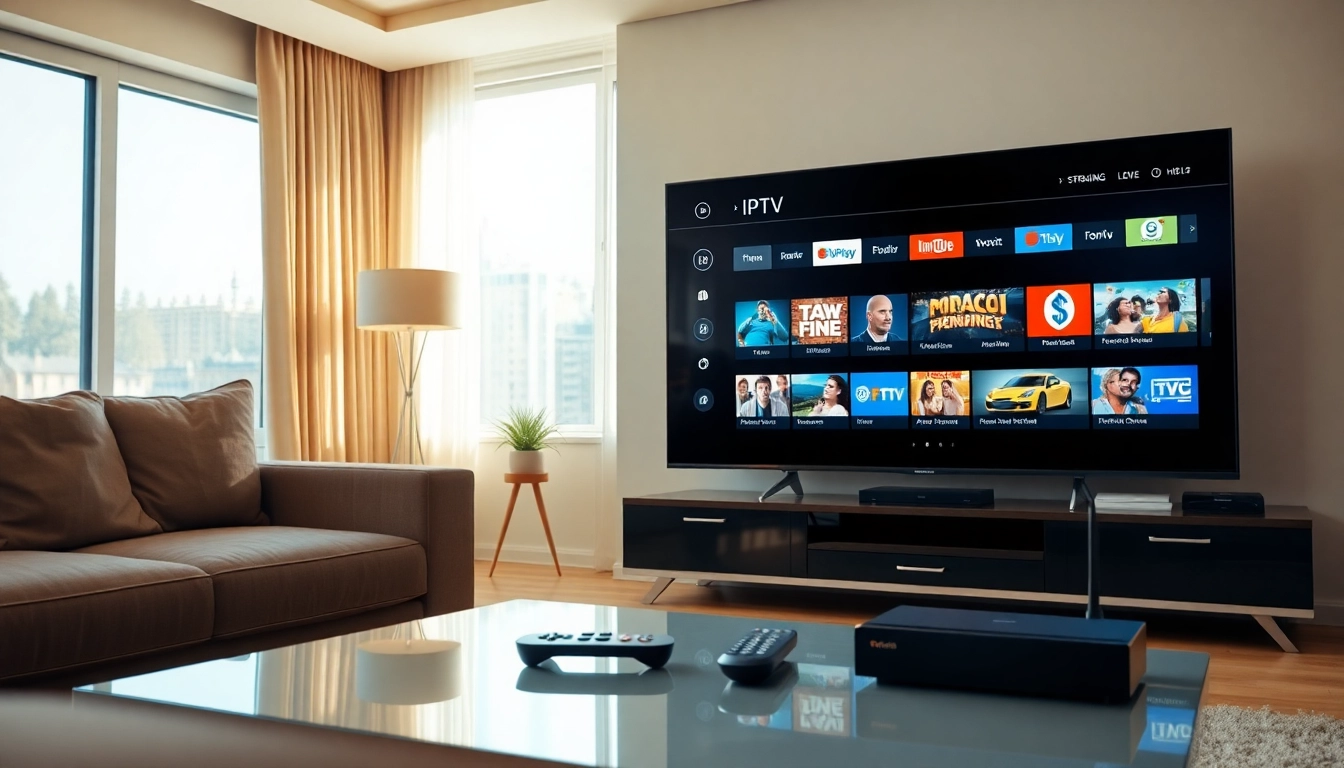
Understanding IPTV Technology
Internet Protocol Television (IPTV) is revolutionizing the way we consume media. By allowing the delivery of television content through the same networks used for the internet, IPTV offers a plethora of advantages over traditional cable TV. If you are looking for an iptv provider in US, understanding the technology behind IPTV will help you make an informed choice.
The Basics of IPTV
IPTV works by streaming media content over the internet rather than through traditional broadcasts. This content is provided via a subscription model, allowing viewers greater flexibility—watching on-demand or live broadcasts from various devices, including smart TVs, smartphones, laptops, and tablets. The transition from standard TV to IPTV marks a significant shift in media consumption, emphasizing user-driven experiences.
How IPTV Differs from Traditional Cable
Unlike traditional cable, which relies on a fixed set of channels, IPTV provides a more customizable experience. With IPTV, users can select specific packages according to their preferences, which means they only pay for what they wish to watch. Furthermore, the ability to stream content in HD or even 4K enhances the viewing experience, offering superior quality that traditional cable may not consistently deliver.
Common IPTV Terminologies Explained
- VoD (Video on Demand): A service that allows users to watch selected video content whenever they choose.
- Live TV Streaming: Watching television shows in real-time as they are broadcasted.
- Set-Top Box: A device that connects to your TV enabling IPTV services to be accessed.
- Middleware: Software that connects the IPTV service user interface with the content delivery system.
- EPG (Electronic Program Guide): A menu-based guide that provides information about scheduled broadcasts and content.
Key Features to Look for in an IPTV Provider in US
Choosing the right IPTV provider can significantly impact your viewing experience. Here are the key features to consider when selecting a provider in the US.
Channel Variety and Content Offerings
A diverse channel selection is critical. The best IPTV providers offer a wide range of channels, including local and international options, to cater to various audiences. Subscribers should look for services that include their favorite sports, movies, and educational content, along with the latest popular series.
Streaming Quality and Reliability
Streaming quality can greatly influence user satisfaction. Evaluate providers based on their maximum resolution capabilities (including HD and 4K), buffering times, and overall reliability. It's essential to choose a provider known for consistently high streaming quality, even during peak usage times.
User Experience and Interface Design
The user interface should be intuitive and easy to navigate. A well-designed IPTV interface enhances user enjoyment, allowing them to quickly find and select content. Look for features like category organization, a prominent search function, and quick access to on-demand options.
Evaluating IPTV Providers in US: A Comparison Approach
To make an informed decision, potential users should conduct a thorough comparison of available IPTV providers based on several factors.
Subscription Plans and Pricing Models
Different providers offer a variety of pricing models, from monthly subscriptions to annual packages. Understanding what each plan includes — such as the number of devices that can stream simultaneously and access to channels — will help in selecting the right option. Additionally, some providers might offer free trials which can be a great way to test the service before committing.
User Reviews and Ratings
User reviews are an invaluable resource when assessing providers. Examine user feedback on platforms and forums to gauge overall satisfaction and experience with the service. Look for feedback on streaming quality, customer support, and content variety to ensure you choose a highly-rated option.
Customer Support and Service Policies
Reliable customer support is essential, especially for technical issues or questions about billing. Look for providers that offer various support channels, such as live chat, email, or phone support. Additionally, clear service policies, including cancellation terms and troubleshooting guides, reflect a trustworthy IPTV service.
Common Challenges with IPTV Services
While IPTV services offer numerous advantages, challenges can arise. Understanding these common issues prepares you to handle them effectively.
Connection Issues and Buffering
Internet connectivity plays a crucial role in streaming quality. Users may experience buffer issues due to slow internet speeds or network congestion. To mitigate these problems, consider upgrading internet plans or using wired connections where possible for more stability.
Legal Considerations for IPTV Providers in US
It is essential to ensure that the IPTV provider you choose operates legally. Many providers offer content that may infringe on copyright laws, posing risks to users. Stick to recognized and reputable providers to avoid legal issues that could arise from illegal content access.
How to Troubleshoot Common Problems
Common issues include buffering, lack of channels, or connection drops. For these, restarting your device or router may help. Checking for software updates on your IPTV application can also resolve many problems. Providers often have specific troubleshooting sections on their websites to aid users.
Future of IPTV in US: Trends to Watch
The IPTV landscape in the US is rapidly evolving, with several trends that may influence its future development.
Emerging Technologies in IPTV
Technological advancements such as 5G connectivity promise to enhance the IPTV experience significantly. With higher bandwidth and speed, users can expect improved streaming quality and increased access to interactive content, creating a richer viewing experience.
Consumer Preferences Shaping the Market
Consumer demand for tailored content is on the rise. IPTV providers will likely need to offer more customizable packages and innovative content delivery methods, such as interactive features and personalized channel suggestions, to align with viewer preferences.
Predictions for IPTV Providers in US
The continued growth and acceptance of IPTV suggest a competitive future among providers. Successful providers will likely focus on delivering high-quality content, exceptional user experiences, and maintain transparent communication with their subscribers to capture and retain market share.
Frequently Asked Questions
What is the difference between IPTV and cable TV?
IPTV delivers content over the internet, offering on-demand and live options, while traditional cable relies on signal transmission through cables. This flexibility allows IPTV users more content choices.
Is IPTV legal in the US?
Yes, IPTV is legal in the US as long as the provider has licenses for the content offered. Researching the provider helps ensure compliance with copyright laws.
How fast does my internet need to be for IPTV?
A minimum internet speed of 10 Mbps is recommended for standard quality, while 25 Mbps is preferable for HD content. Higher speeds are beneficial for multiple users.
Can I use IPTV on multiple devices?
Many providers allow access to their service on multiple devices simultaneously, but this varies between plans. Check the provider’s policy to avoid limitations.
What should I do if I experience buffering?
If buffering occurs, check your internet connection, restart your router, or reduce the number of devices connected to your network for improved performance.